








Natural-Looking Prosthetic Hands that Restore Confidence
The hand plays an essential role in daily life from work and creativity to communication and touch. When part of the hand is lost, so is a measure of independence and confidence.
At Medical Art Prosthetics, we create custom silicone hand prostheses that restore both appearance and partial function, helping you reconnect with the activities and interactions that matter most.
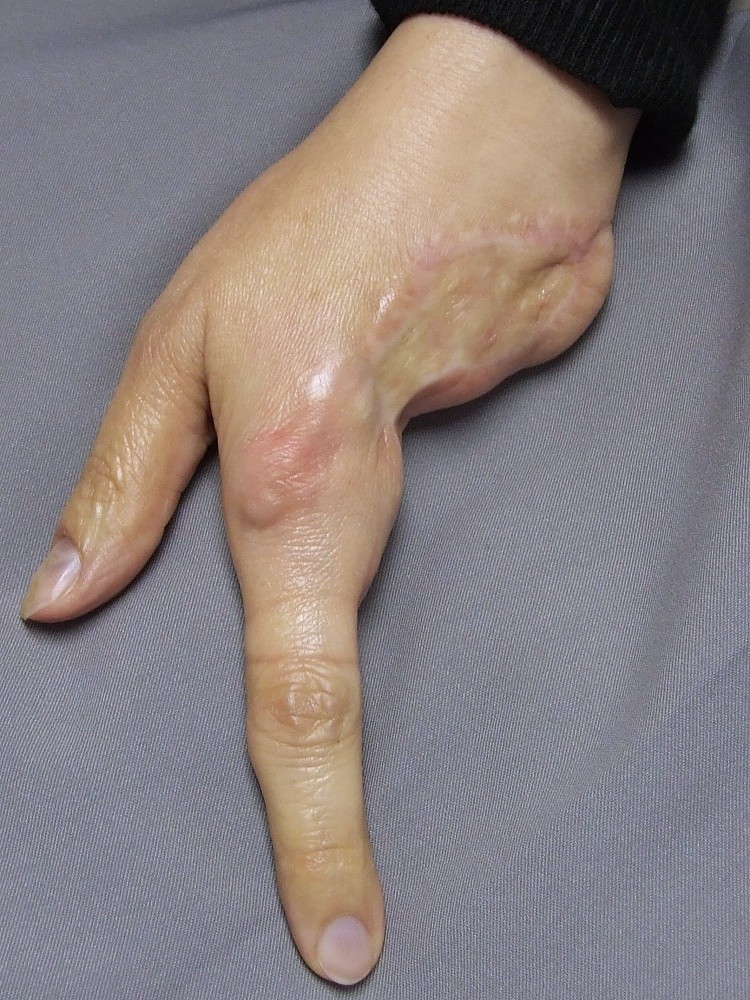
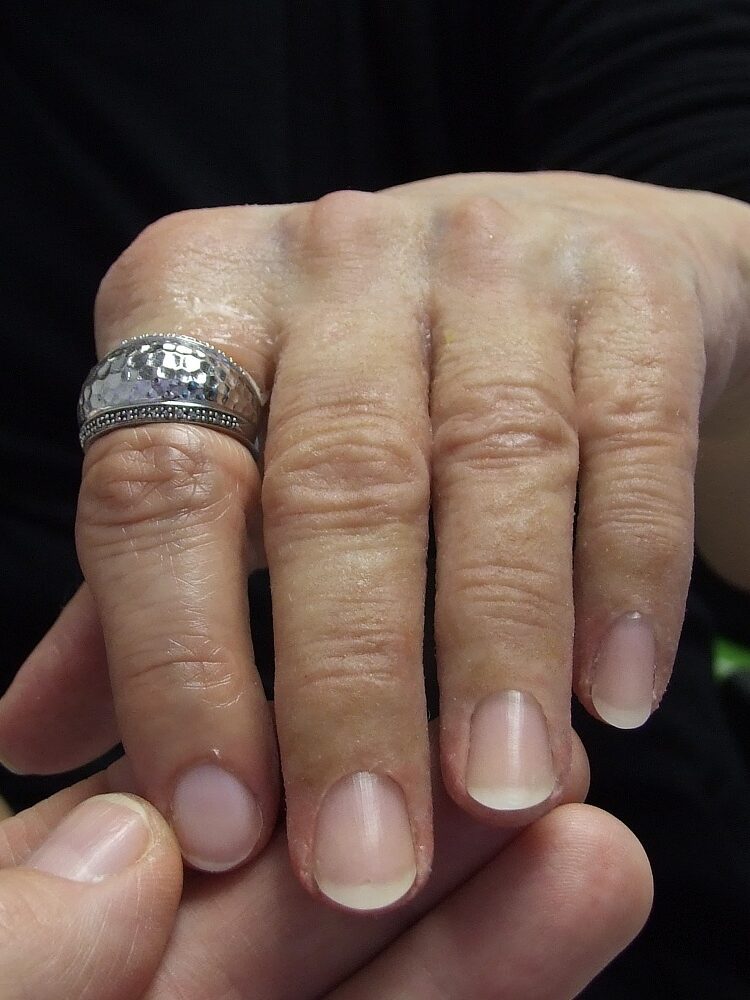
BEFORE AND AFTER
(To see the results, hover your cursor over the image)


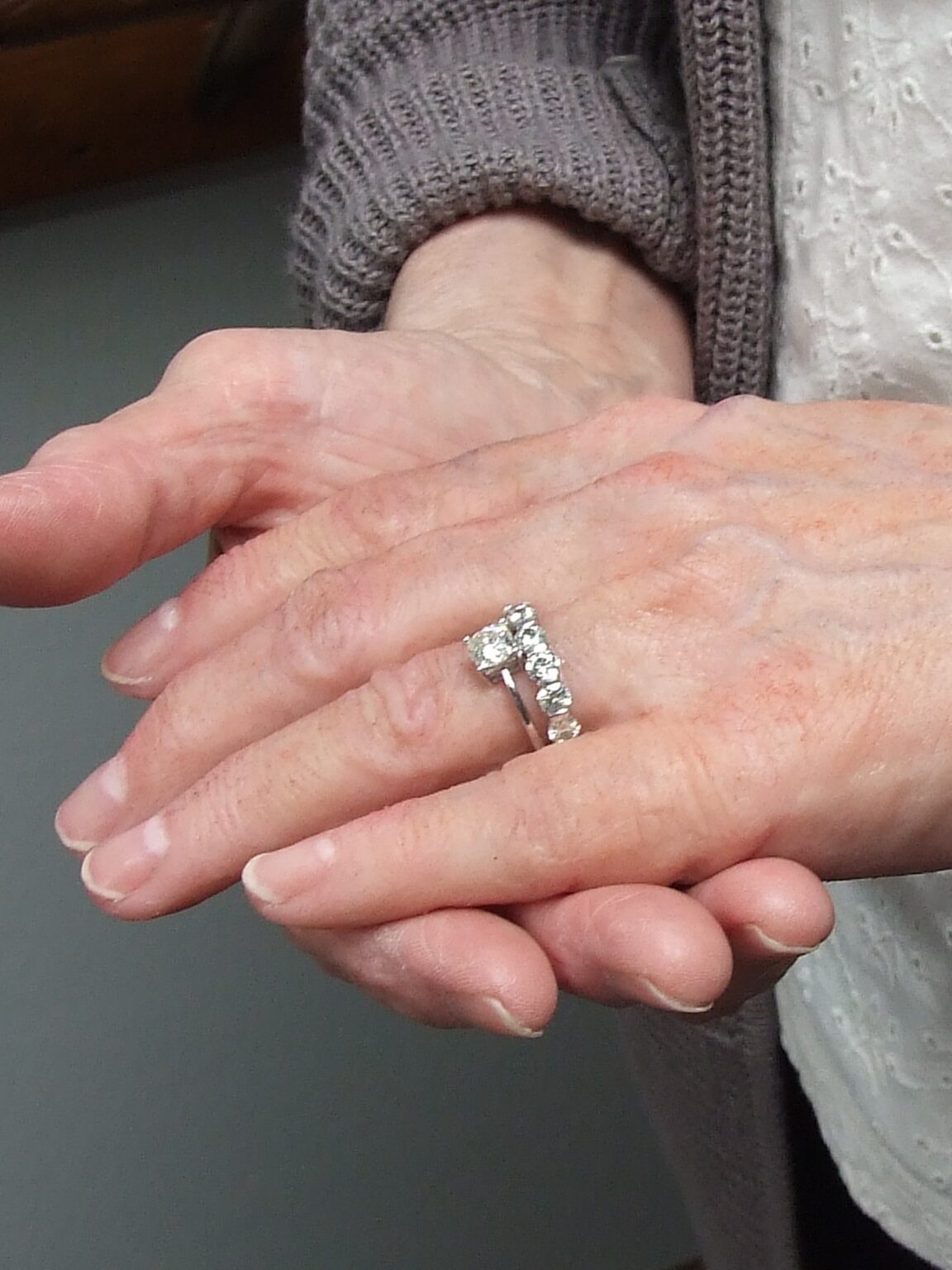
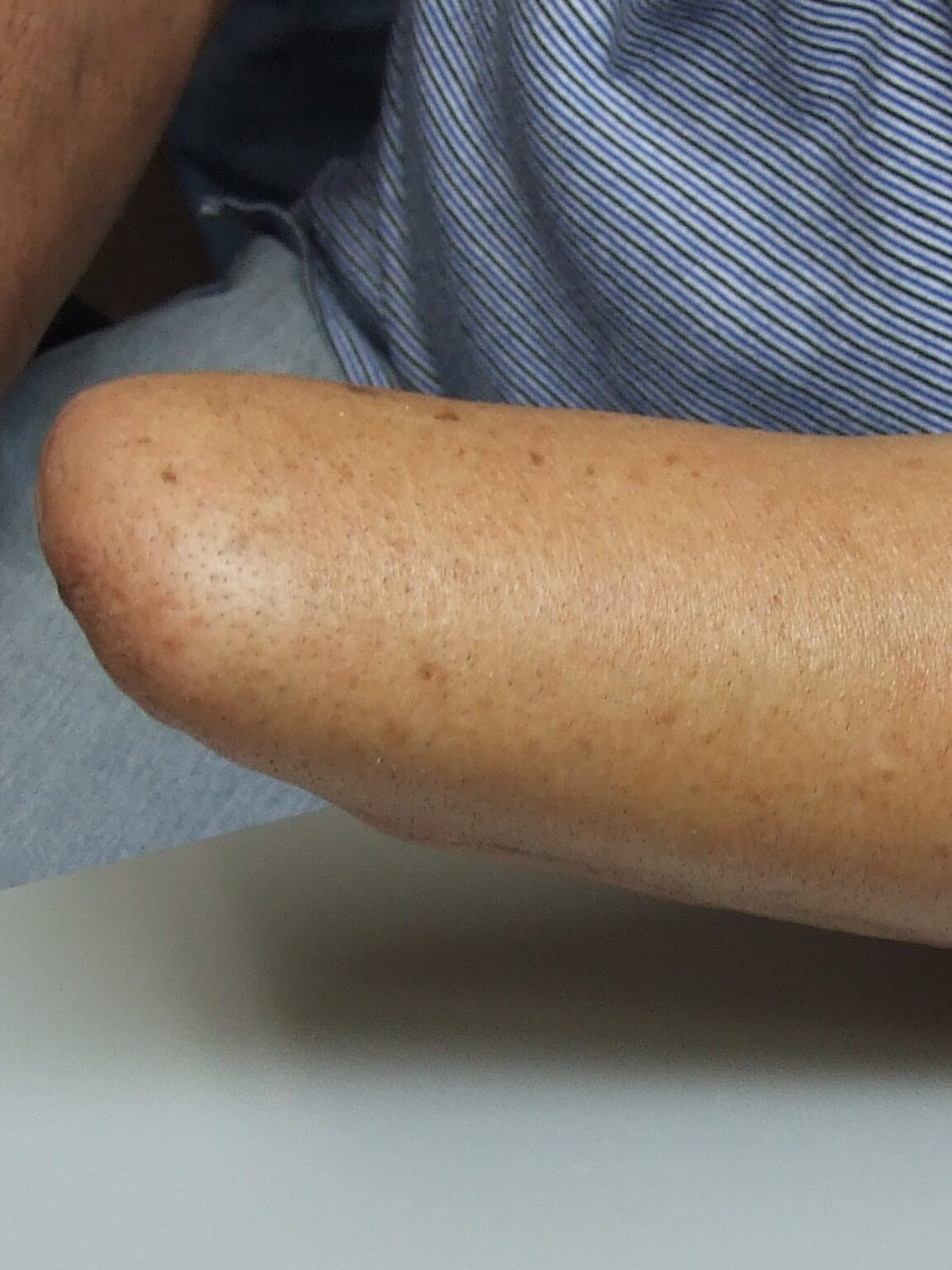

People: Who We Help
- Individuals with partial hand or below-elbow amputation
- Patients who wish to restore their hand’s natural appearance
- Those desiring improved self-confidence and social ease
- Plastic and reconstructive surgeons referring post-operative cases
- Prosthetists, occupational therapists, and hand surgeons
- Artists, musicians, and professionals dependent on fine motor ability
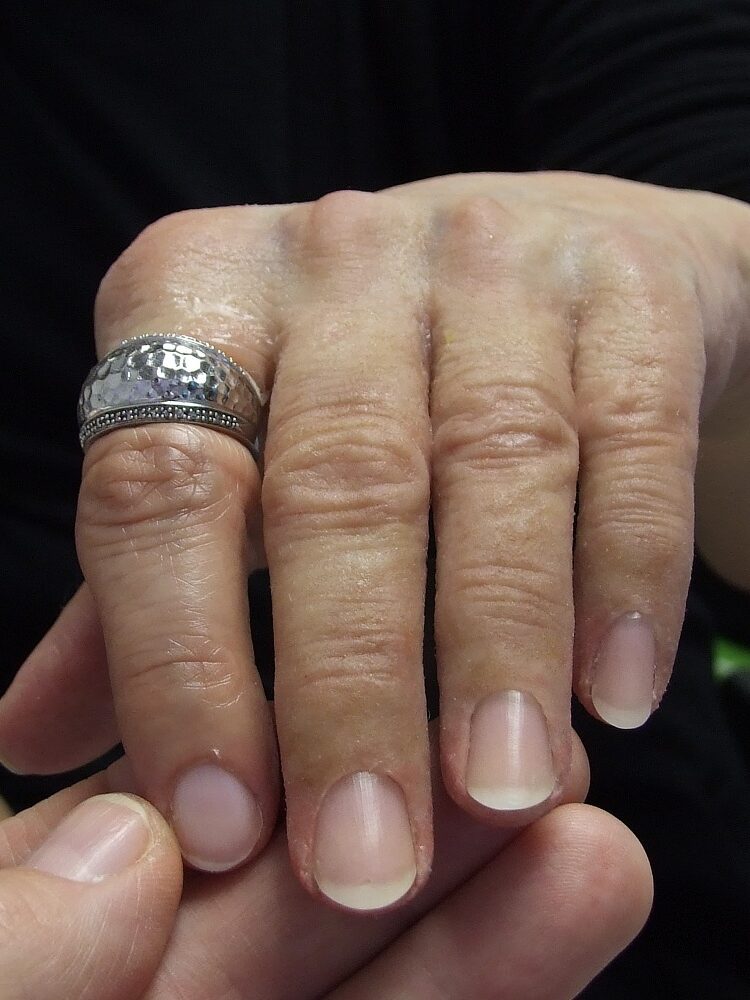
Multiple Fingers Remaining Glove


Multiple Fingers Remaining Glove
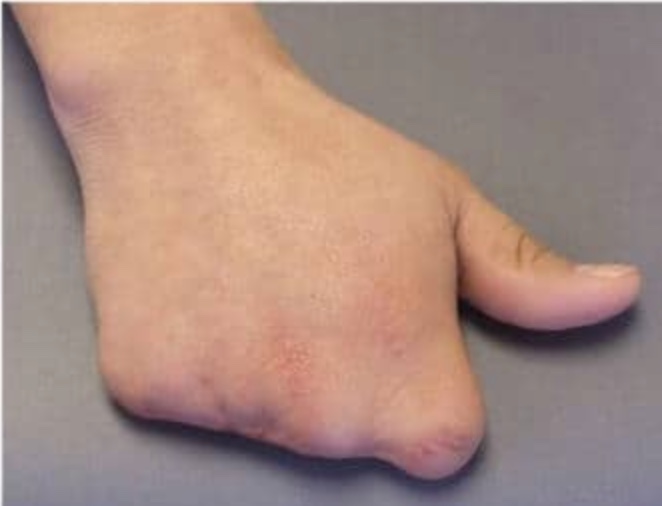
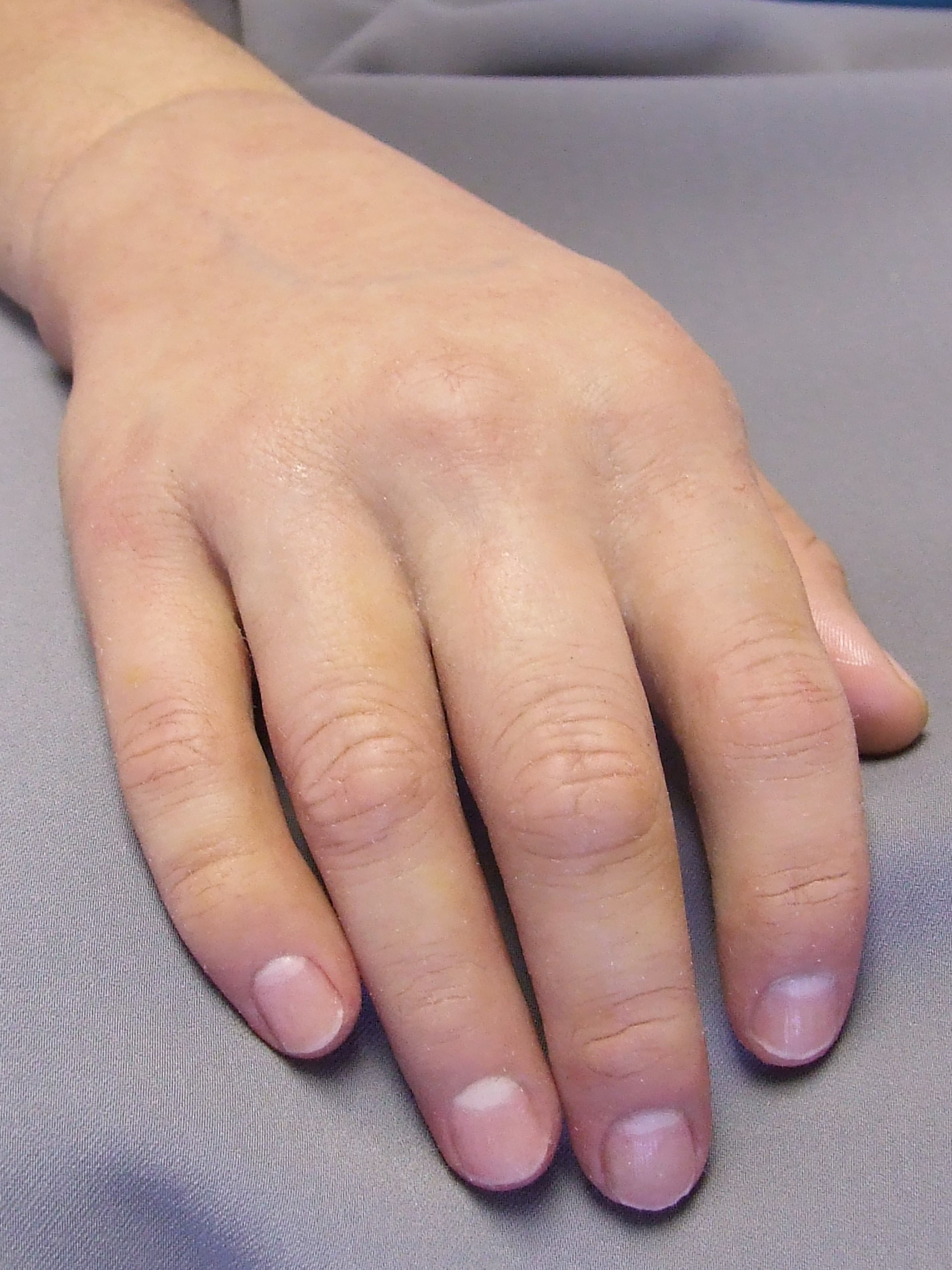
Thumb Remaining Prosthesis

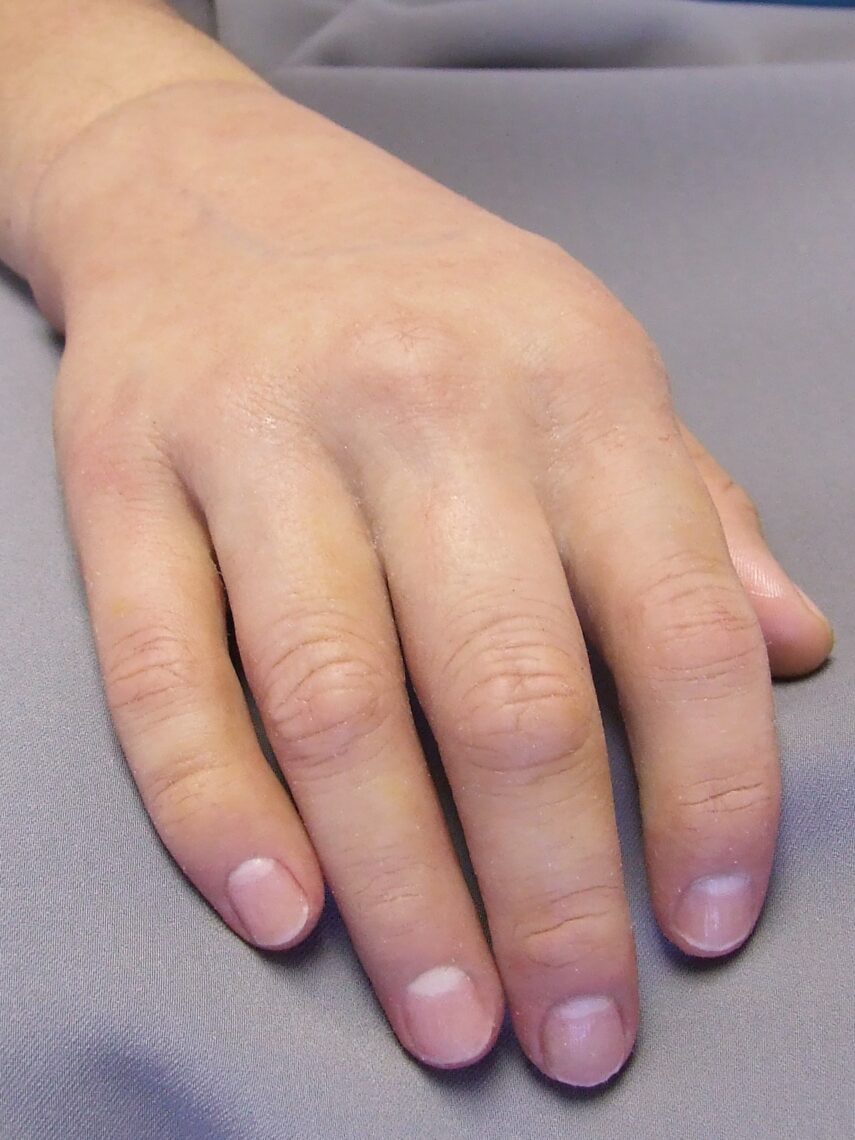
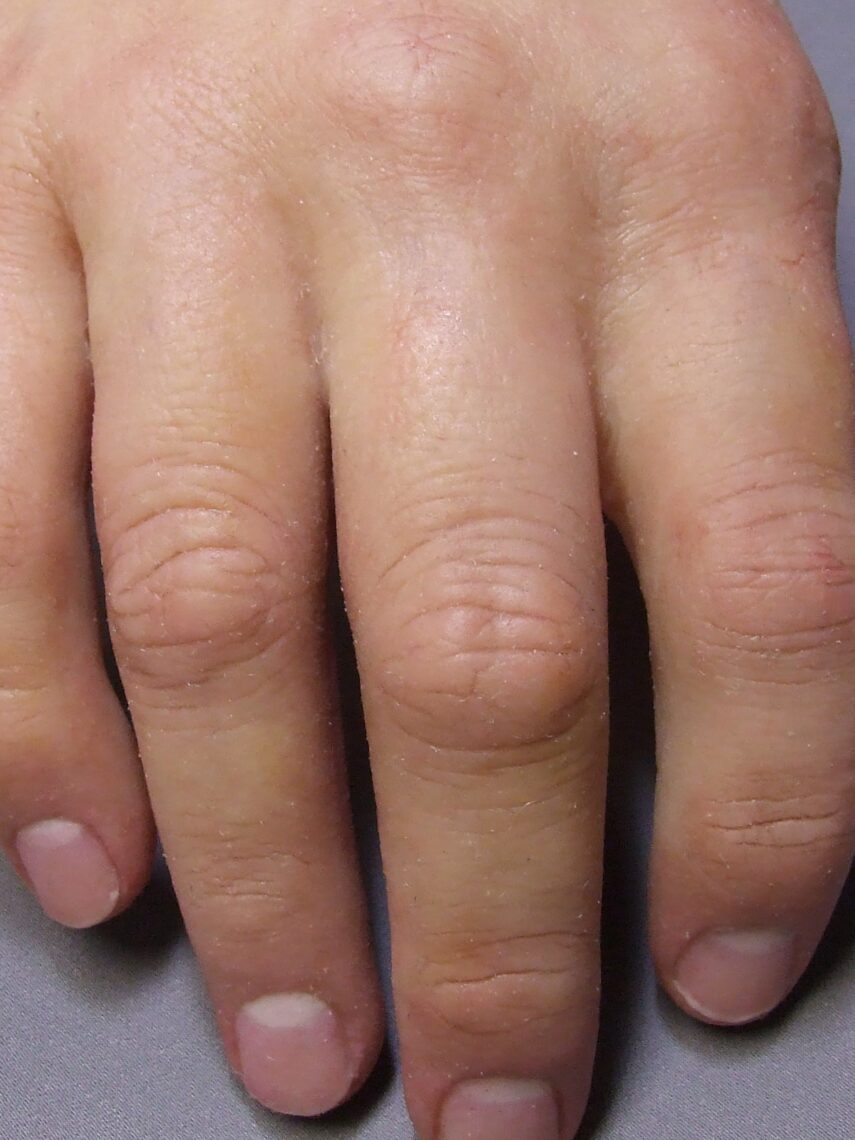
Thumb Remaining Prosthesis
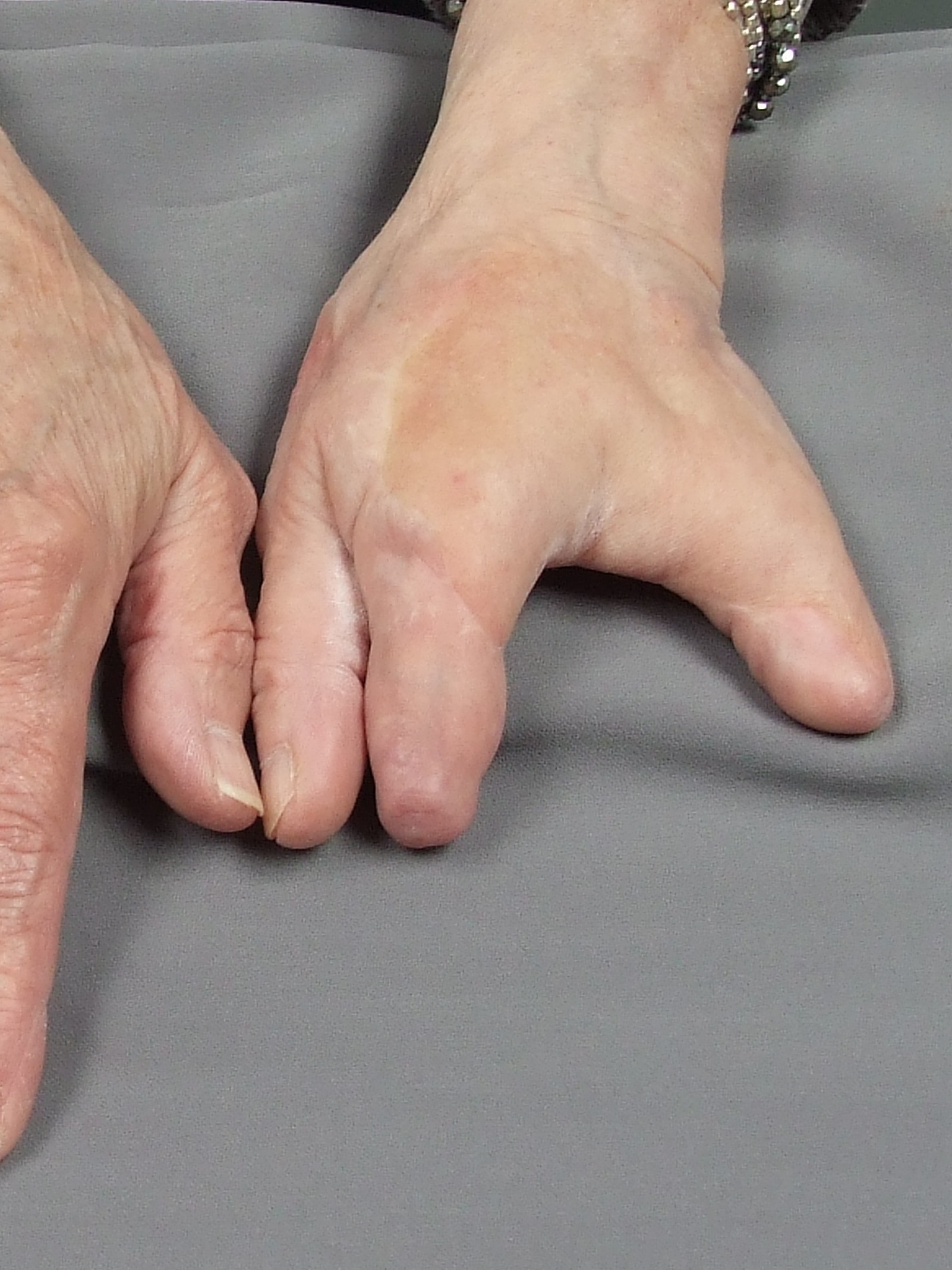
.JPG)
Full Glove Passive Prosthesis

-855x1140.jpg)
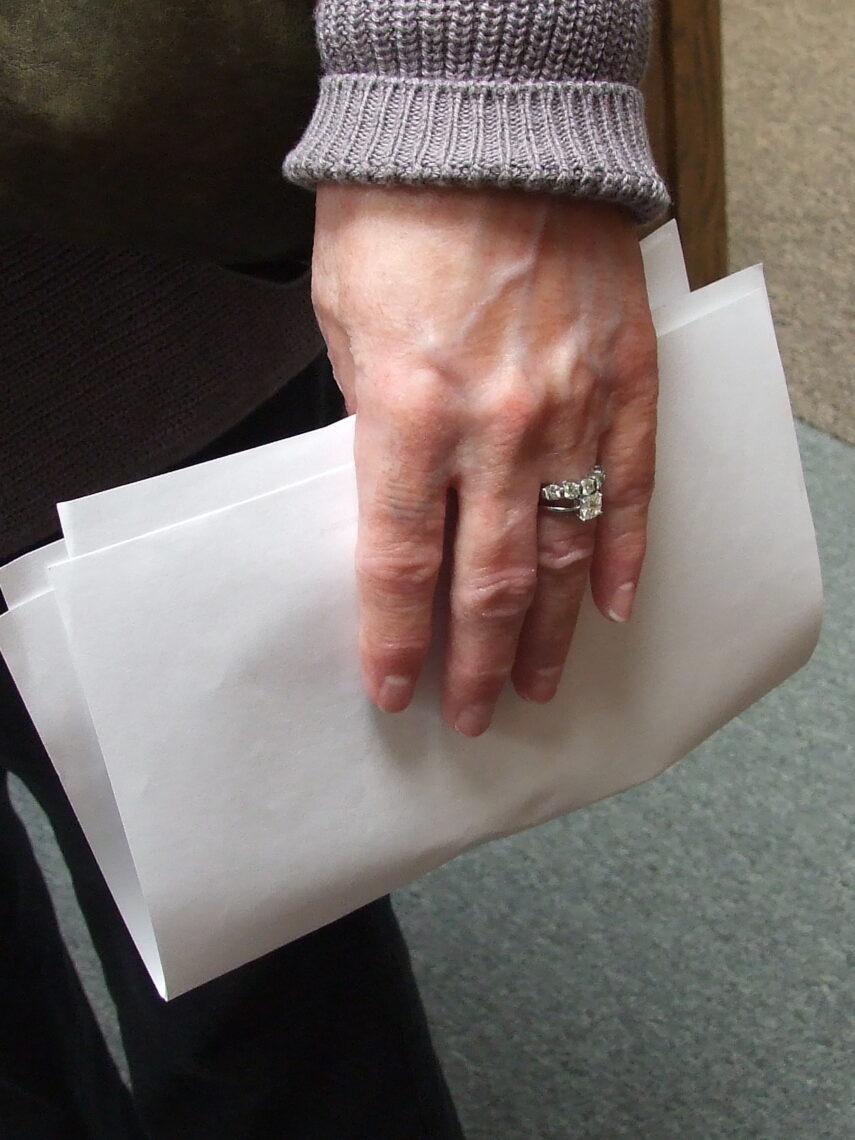
Full Glove Passive Prosthesis
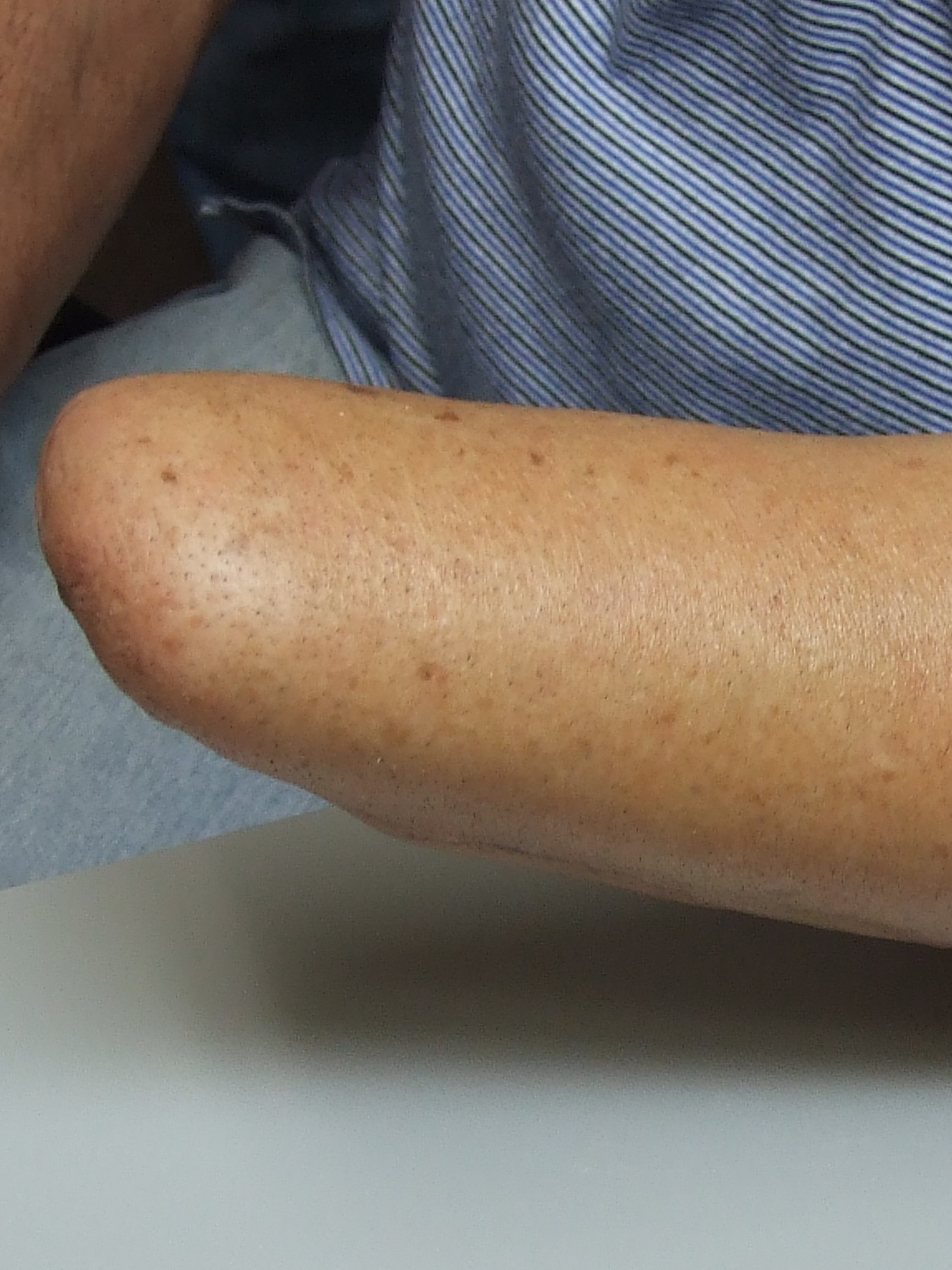
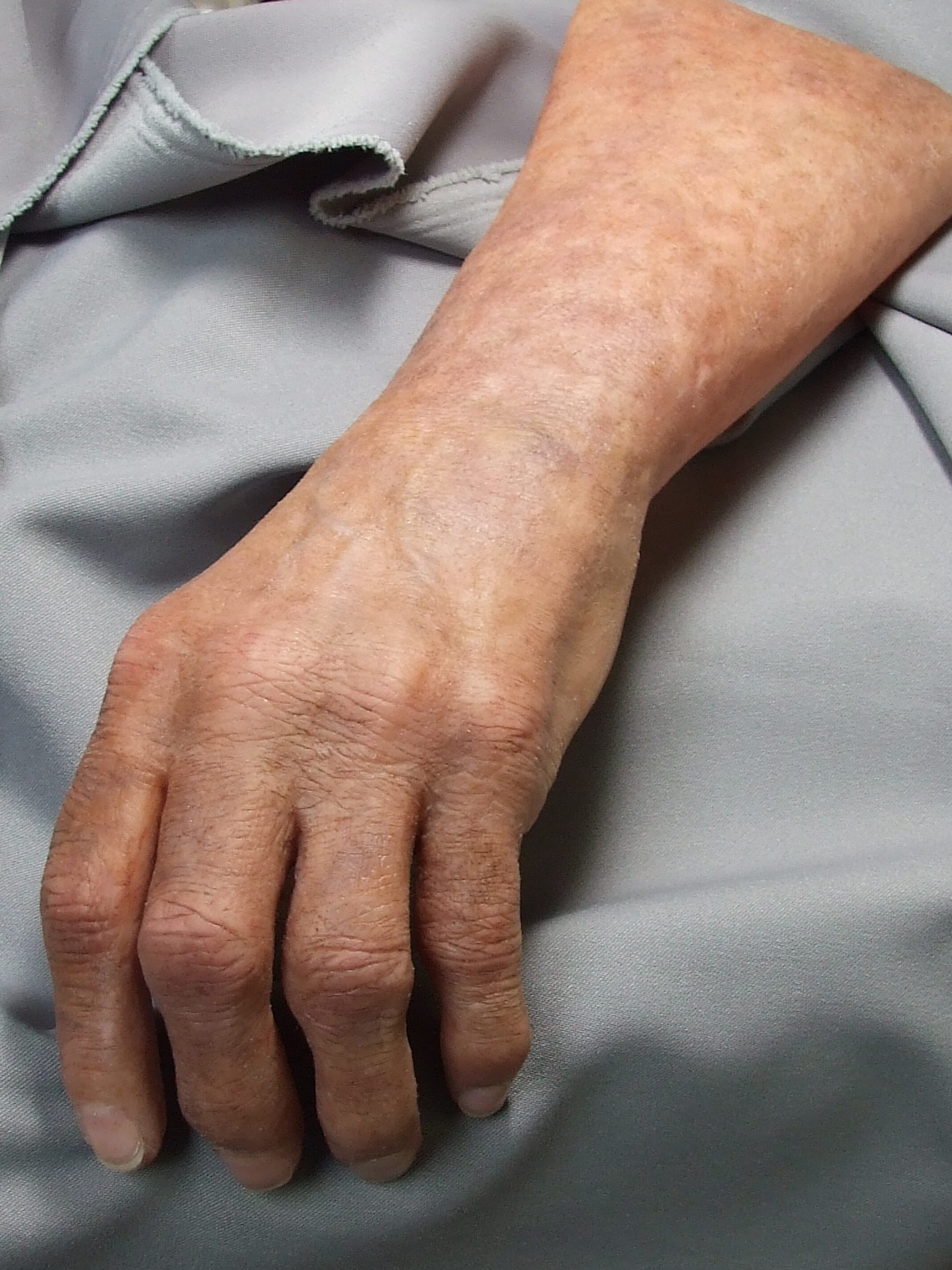
Complete Prosthetic Hand


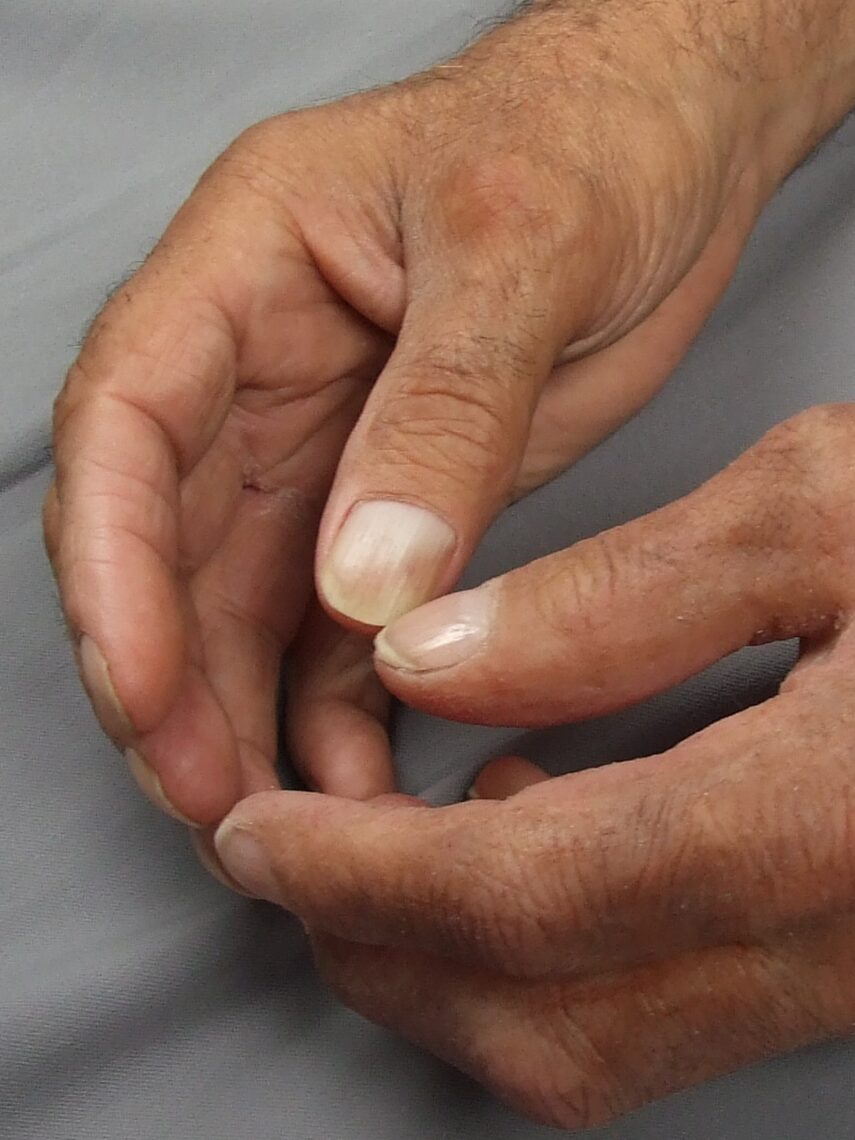
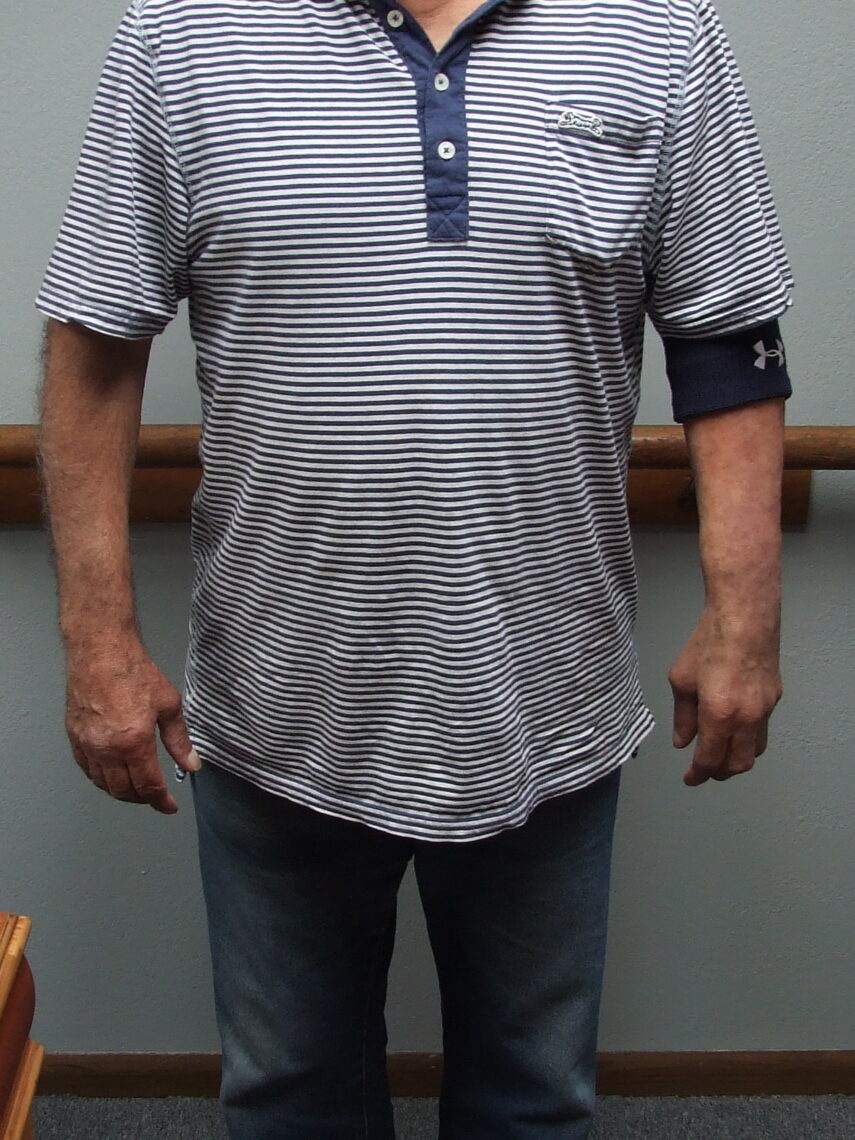

Complete Prosthetic Hand
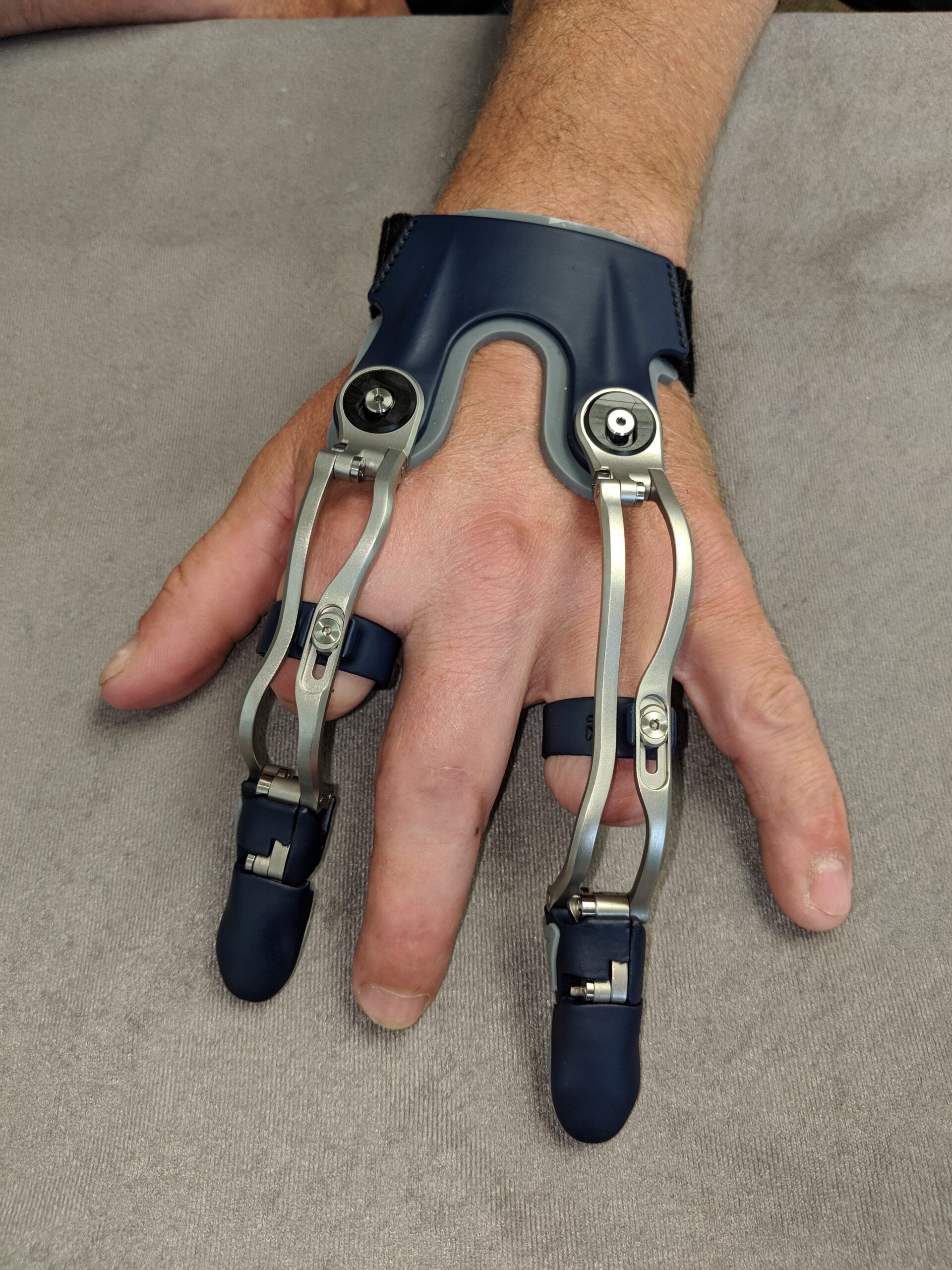

NP MCP Driver and Grip-Lock Fingers

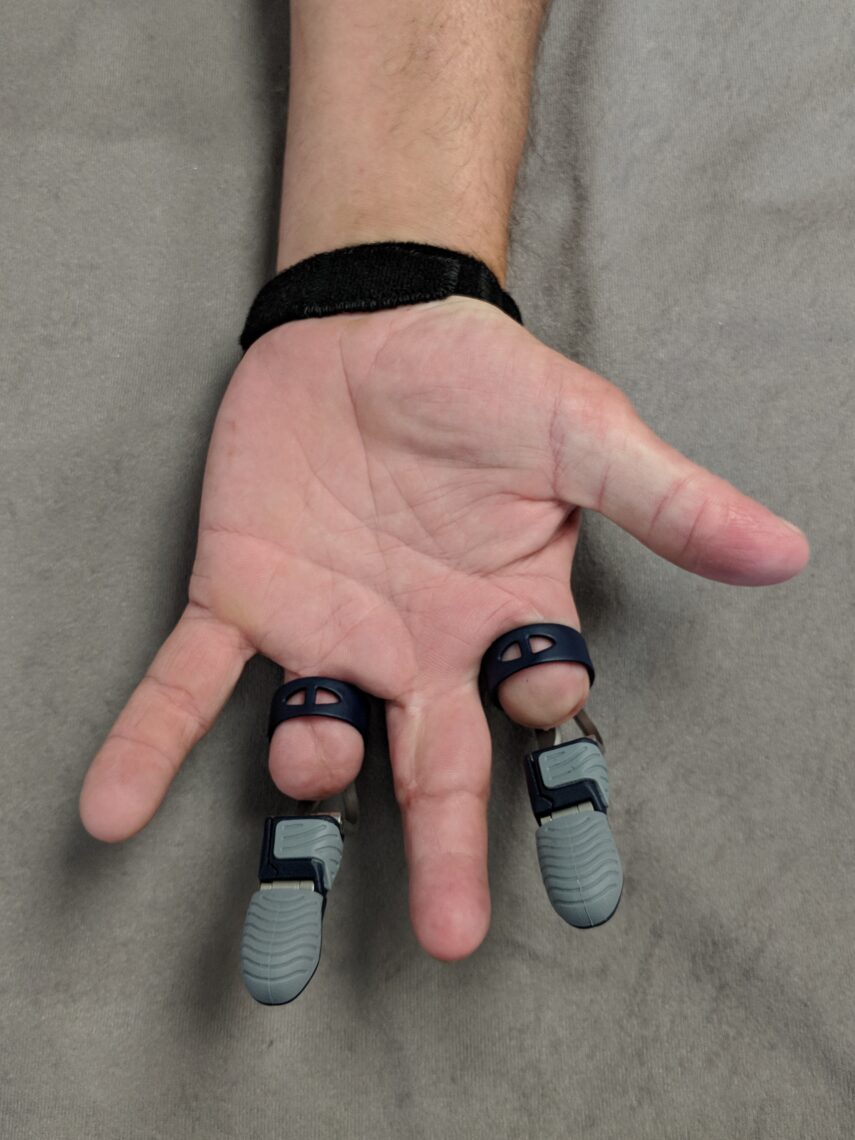
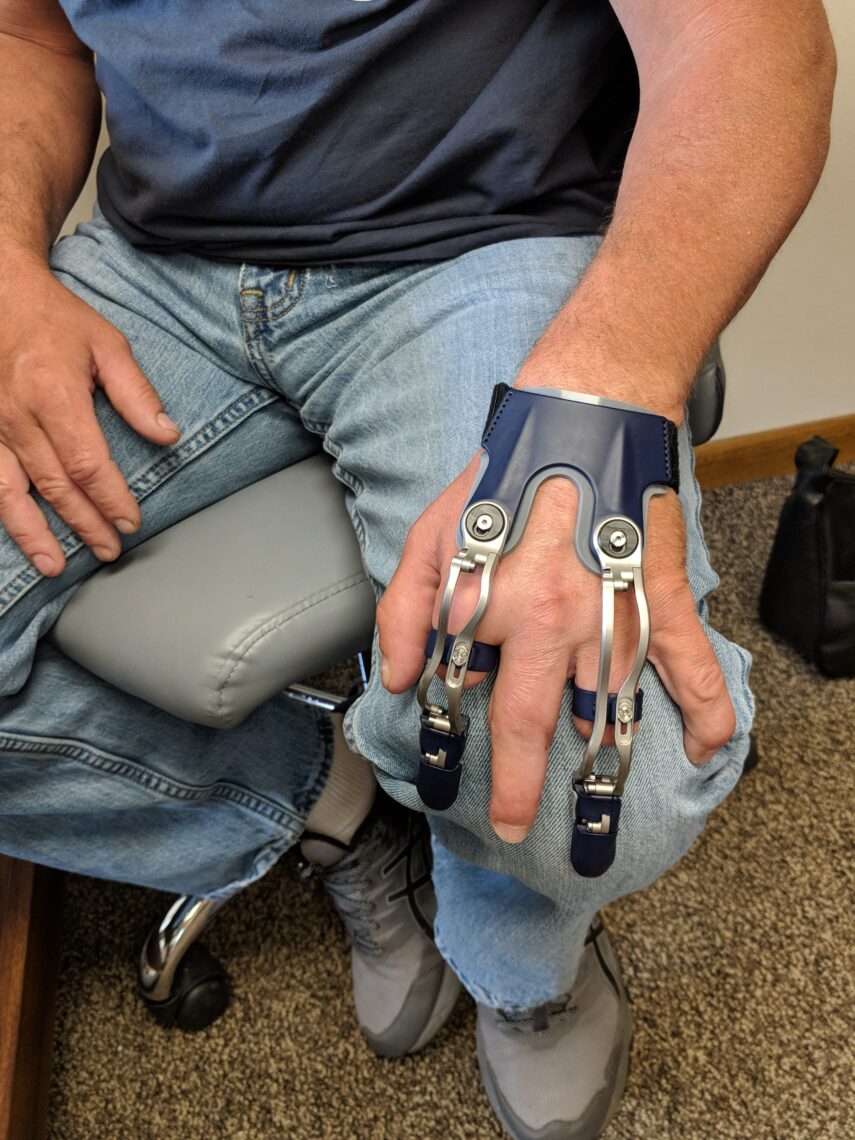
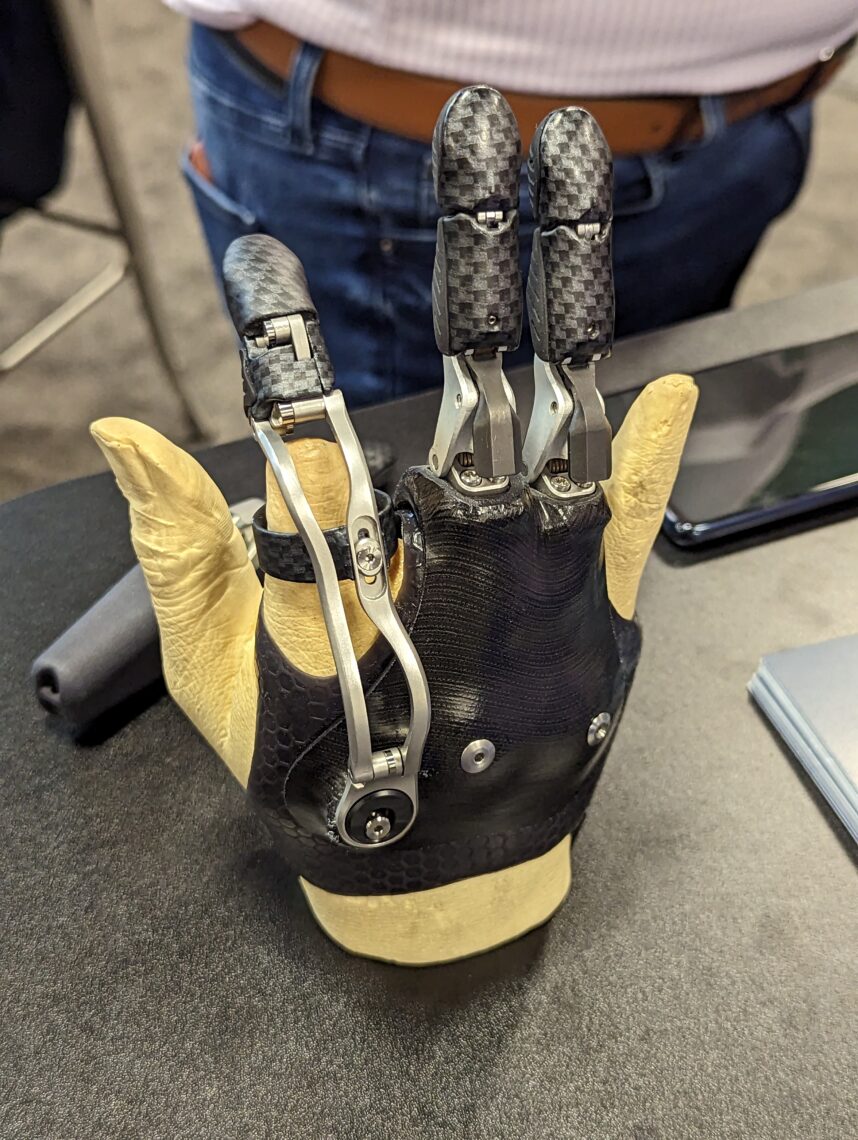
NP MCP Driver and Grip-Lock Fingers


Titan Ratcheting Finger Prosthesis


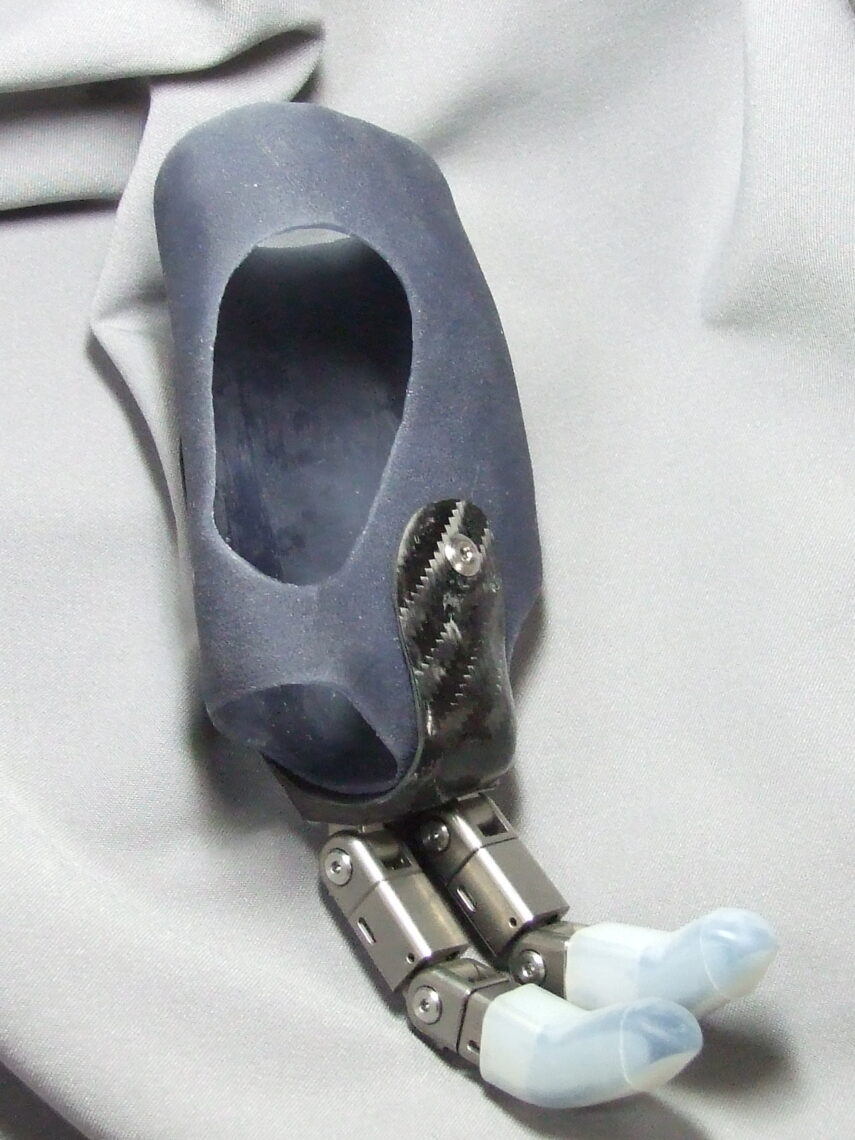

Titan Ratcheting Finger Prosthesis

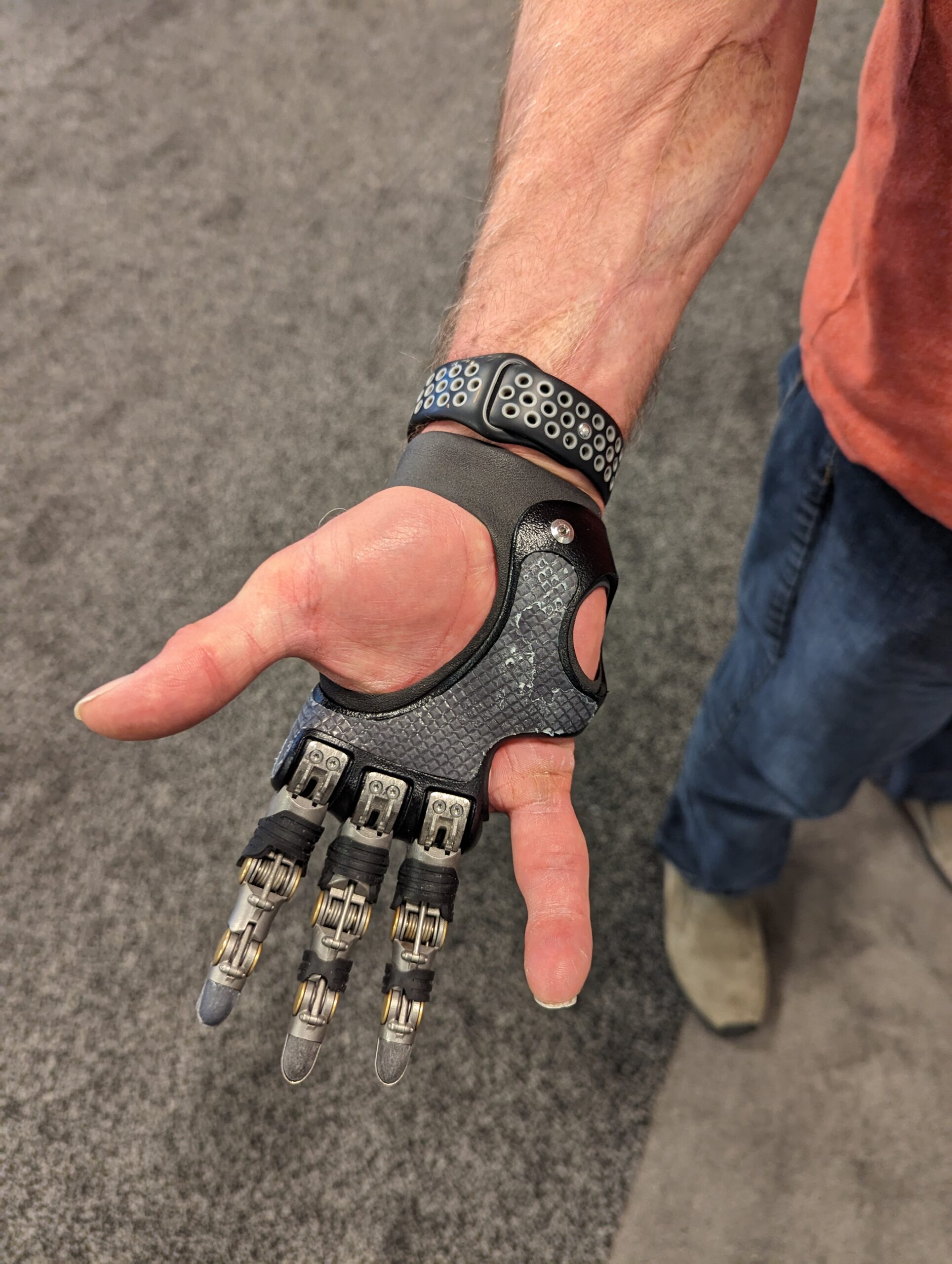
Point Designs Prosthetic Fingers
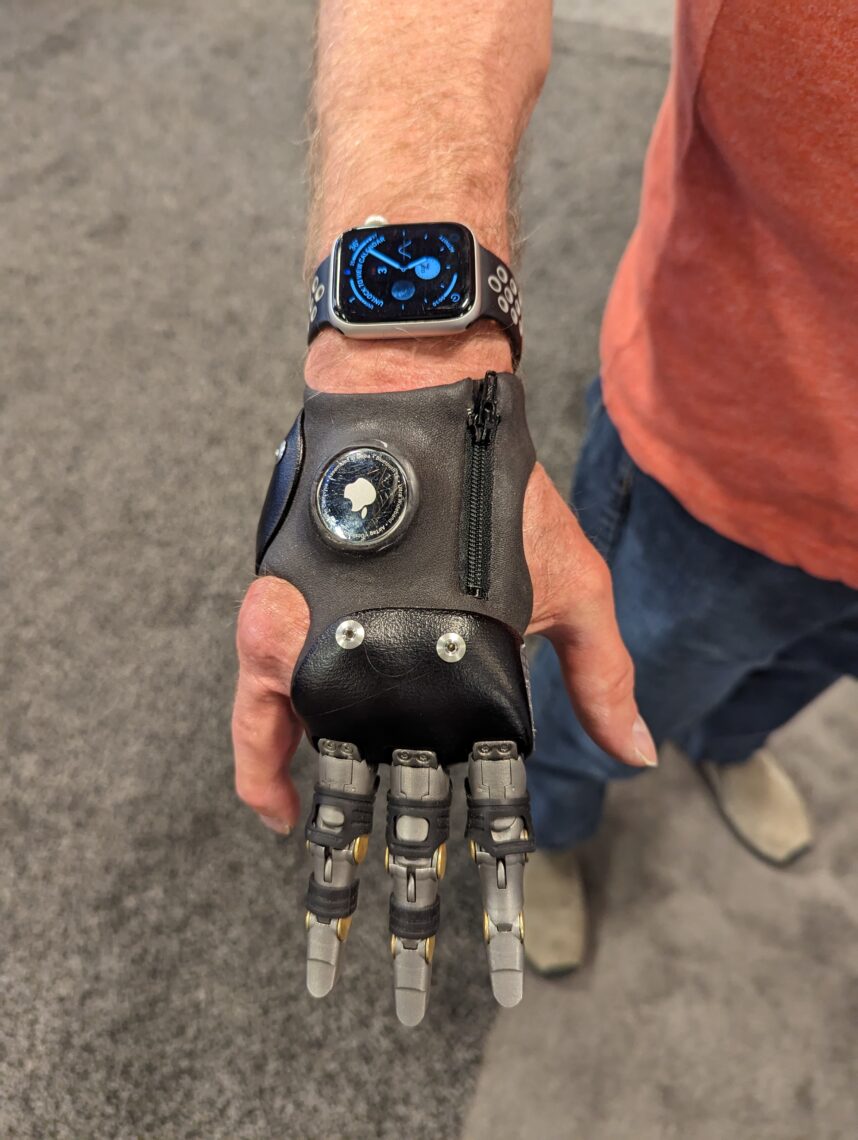
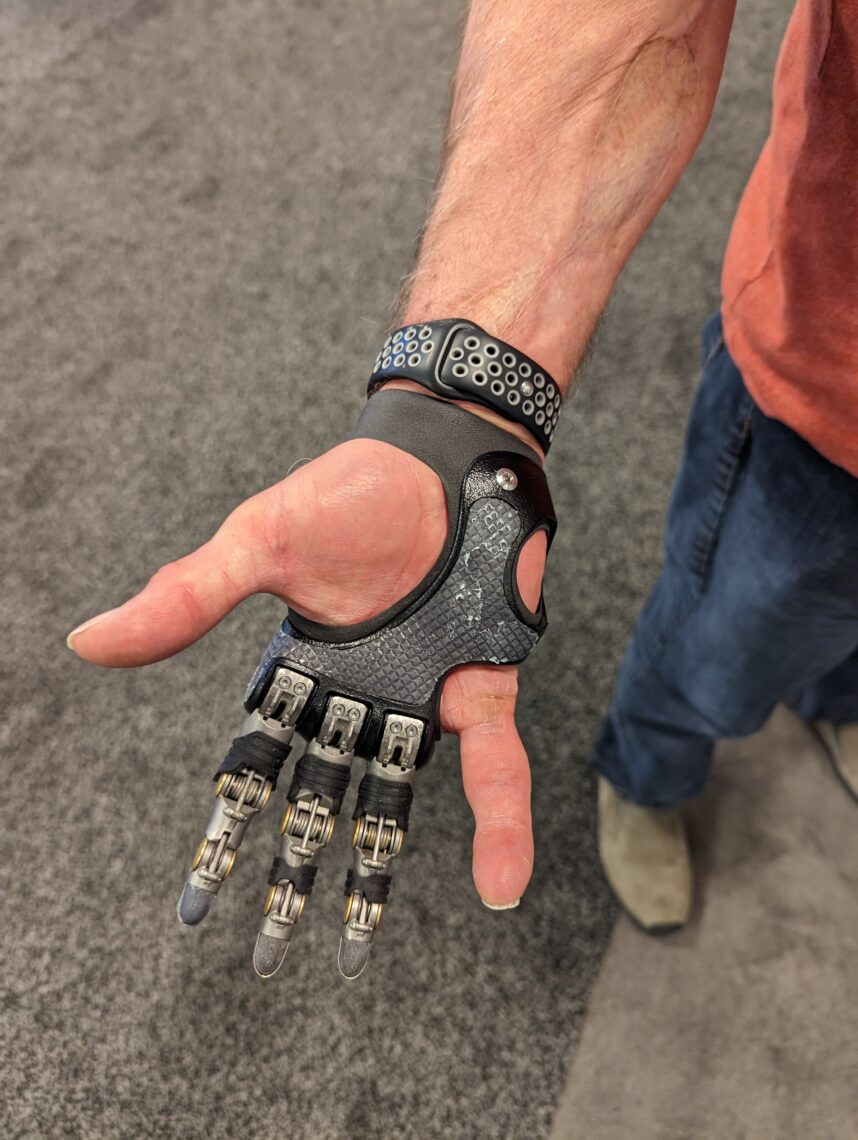
Point Designs Prosthetic Fingers
Every hand prosthesis is custom-designed to restore natural contours, tone, and proportion. We offer:
- Partial hand prosthesis (“fits like a glove”): restores missing fingers or sections
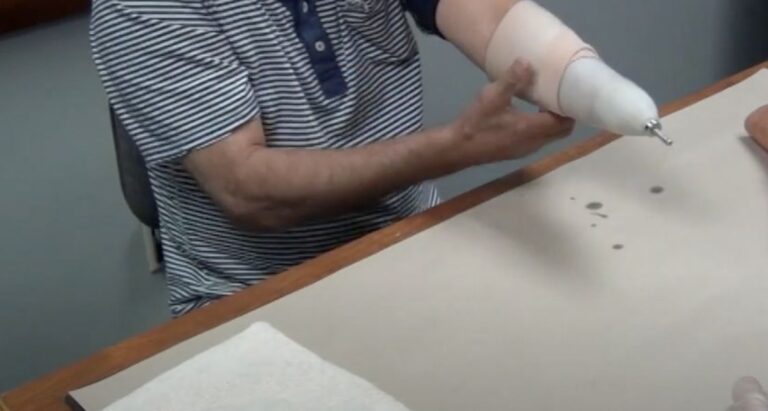
- Passive silicone below-elbow restoration: provides protective, aesthetic coverage
- Articulating/ratcheting finger systems (Point Designs): adds mechanical flexion
- Body-driven hand prosthetics (Naked Prosthetics): enables movement and control
- Full silicone hand restoration: designed for cosmetic realism and durability
Hand Prosthesis – Information for Medical Professionals
Our anaplastologists work alongside physicians and prosthetists to achieve anatomical precision and functional comfort.
This interdisciplinary approach ensures each restoration complements the patient’s anatomy, lifestyle, and long-term therapeutic goals.
- Anatomical assessment: Direct impression or 3D scan to replicate limb interface and skeletal contours.
- Documentation and duplication: 3D data retention supports future fabrication consistency and ease of replacement.
- Silicone formulation: Multi-durometer silicones tailored for structure, tactile feel, and endurance.
- Color science: Painstaking methodical pigment layering replicates veins, nailbeds, freckles, and subtle tonal transitions.
- Material science: Silicone durometer selection tailored for durability, flexibility, and comfort; intrinsic pigmentation for colorfast realism.
- Volume management: Prosthesis design accommodates soft-tissue volume fluctuation, edema, and temperature-induced changes.
- Integration potential: Compatible with mechanical articulation systems (e.g., Point Designs, Naked Prosthetics) when function enhancement is indicated.
- Retention design: Suction-fit, adhesive, or mechanical systems for optimal suspension and ease of donning/doffing.
- Mechanical integration: Incorporation of articulating components for grasp, opposition, or controlled flexion when indicated.
- Therapeutic alignment: Collaborates with rehabilitation specialists to preserve range of motion, minimize contracture risk, and optimize ADLs.
- Submit the online form or the print form (which may be faxed with supporting visit notes).
- We will schedule your patient for a free evaluation.
- We verify their insurance benefits and provide a custom treatment plan.
- Our experienced practitioners will fabricate and fit the prescribed prosthesis to your patient.
- We report the outcomes with photographs back to the referring physician.
The Prosthetic Hand Process
Our hand restoration process combines medical precision with artistic craftsmanship.
Depending on complexity, partial hand prostheses can often be completed within a few days of scheduled appointments.
We first record causes (dog bite, infection, circulation, etc.) and discuss goals and activities of daily living (ADLs). We make sure the affected hand is well healed and ready for prosthetic restoration.

On the same day we can take a simple silicone impression of the amputated and unaffected parts of the hand. From the silicone impression we are able to make a precise model of the restoration needed.
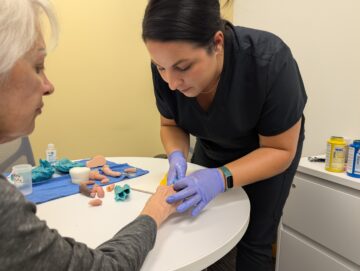
In the next session we address both the skin texture details and the fit of the prototype of the hand in place. We verify you are happy with the length, shape, and alignment of the prototype
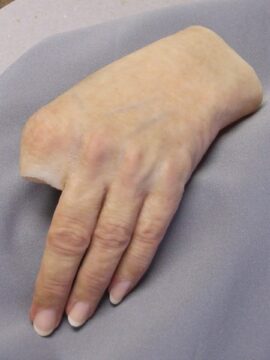
The fitting session also includes our skin color matching procedure with our custom swatches that accurately captures in photos the array of pigmentation. From experience and visual acuity the medical the artist can translate color references and make minute adjustments during fabrication using these nuanced silicone swatches.
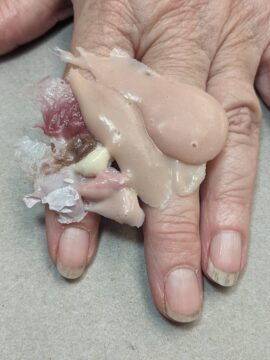
The finished high resolution prosthetic hand is prepared for final delivery. Any color details needed are painstakingly added by the anaplastologist.

We check each final prosthesis for fit and make any final adjustments. We want each client to be happy so we will make corrections or adjustments if needed. We provide full aftercare instructions (link to adhesives/instruction). Each prosthesis should last years, and master molds are safely archived for replacements whenever needed.
Why choose Medical Art Prosthetics?
- Over 40 years of documented outcomes in silicone restoration
- A growing national network of treatment locations for local service and follow-up
- Integration with surgical and rehabilitation teams for seamless care
- A reputation built on compassion, precision, and artistry
Each prosthesis represents our highest standard. Every Medical Art Prosthetics practitioner delivers lifelike detail, comfort, and long-term support.
Frequently Asked Questions
Who are the people you most commonly work with?
We work with individuals with partial hand or below-elbow limb loss, patients seeking to restore natural hand appearance, those looking to regain self-confidence and social ease, plastic and reconstructive surgeons referring post-operative cases, prosthetists and rehabilitation professionals, artists, musicians, and anyone whose work depends on fine motor precision, as well as people wanting aesthetic realism paired with functional enhancement.
What Products do you make?
We make custom silicone partial-hand prostheses, passive below-elbow restorations, and full silicone hand restorations designed for realism, comfort, and durability in most locations.
Medical Art Prosthetics is an experienced provider of articulating and ratcheting finger systems and body-driven functional hand devices, and offers myoelectric devices in some locations through close collaboration with certified prosthetist/orthotist Scottie Hutchinson, CPO.
Which prosthetic hand models are most popular if I want advanced grip technology?
Medical Art Prosthetics most often fits users seeking advanced grip technology with models like the TASKA Hand, Ottobock Bebionic, and Össur i-Limb Quantum. These models allow for multiple grip patterns, responsive myoelectric inputs, and high-performance hand control for everyday tasks.
Which prosthetic hands give the most natural finger movement?
Medical Art Prosthetics offers i-Limb Quantum Digits and Ottobock Bebionic myoelectric devices for natural finger movement. These hands have individually motorized fingers that replicate natural grasping motions for improved realism and control.
What prosthetic hands help most with tasks that need fine motor skills?
Hands like the i-Limb and Bebionic offer fine motor capabilities such as pinching, typing, and handling small objects. Medical Art Prosthetics fits these for users needing precision control.
For more information on Grip Technology & Functionality:
Which prosthetic hands work best with myoelectric control systems?
Medical Art Prosthetics offers the TASKA, i-Limb, and Bebionic hands as top options for users wanting precise myoelectric control. These systems translate muscle signals into immediate and intuitive hand movements.
Which hands respond the fastest to my muscle signals?
Responsiveness of our myoelectric devices is patient-specific and can be adjusted by our certified practitioner based on patient needs. Medical Art Prosthetics fits these hands for users needing speed and precision.
Which prosthetic hand models are rated highest for daily durability?
The TASKA Hand is consistently rated highest by Medical Art Prosthetics users for daily durability. Its waterproof build and robust materials hold up well under constant use.
Are there hands you recommend for both indoor and outdoor use?
The TASKA Hand is Medical Art Prosthetics’ go-to for all-environment use. It is waterproof, dust-resistant, and built to handle rugged and indoor environments alike.
For more information on Durability & Daily Use:
Which prosthetic hands have the best comfort and lightweight design?
Users at Medical Art Prosthetics report high satisfaction with the Bebionic hand for comfort and the i-Limb for lightweight design, especially during long hours of wear.
What options do you have that look the most like a real hand?
For realistic appearance, Medical Art Prosthetics offers silicone restoration covers and cosmetic gloves that closely match skin tone, paired with functional hands like the Bebionic or i-Limb.
What prosthetic hands do you fit most often for adaptive sports users?
For adaptive sports, Medical Art Prosthetics fits specialized hand and finger prosthetics like those from Naked Prosthetics for sports-related use. These systems withstand high-impact use while offering flexible control.
Which brands do you see veterans or military amputees choosing most often?
Veterans often choose the TASKA Hand and Ottobock Bebionic systems through Medical Art Prosthetics for their rugged durability, advanced technology, and comfort during extended wear.
Do you offer pediatric prosthetic hand options that are trusted and safe?
Yes, Medical Art Prosthetics provides pediatric solutions such as Ottobock’s MyoHand and custom-designed lightweight systems that ensure safety, comfort, and functionality for children.
I have partial hand loss—what prosthetic hands are right for me?
Medical Art Prosthetics fits partial hand prostheses like Point Design and Naked Prosthetics lines, which offers functional finger prostheses for users with digit-level amputations.
For more information on Special Use Cases (Sports, Veterans, Pediatrics, Partial Hand, Adaptive Environments):
Which hand systems do occupational therapists prefer for rehabilitation?
Medical Art Prosthetics works closely with Occupational and Certified Hand Therapists to determine which brand and model is the best for each individual.
I’m switching from a passive device—what prosthetic hands do you suggest?
For users transitioning to active systems, Medical Art Prosthetics recommends starting with those providing intuitive control and gradual training support. The Bebionic and TASKA Hand are good choices, but it is necessary to meet with our prosthetist who can assess your functional needs and wants and find the right device for you.
What options give me the best functionality without going over budget?
The TASKA Hand and some mid-tier Ottobock models offer excellent functionality at a more affordable price. Medical Art Prosthetics helps users find the right balance between cost, durability, and performance based on their lifestyle needs.
What prosthetic hand brands are usually covered by insurance?
Medical Art Prosthetics works with brands like Össur, Ottobock, and TASKA, among others which are frequently approved for coverage by private insurance and VA programs, depending on clinical documentation.