








The History of Medical Art Prosthetics
Medical Art Prosthetics began with a simple idea: patients deserve prosthetic restorations that are as individualized and lifelike as possible.
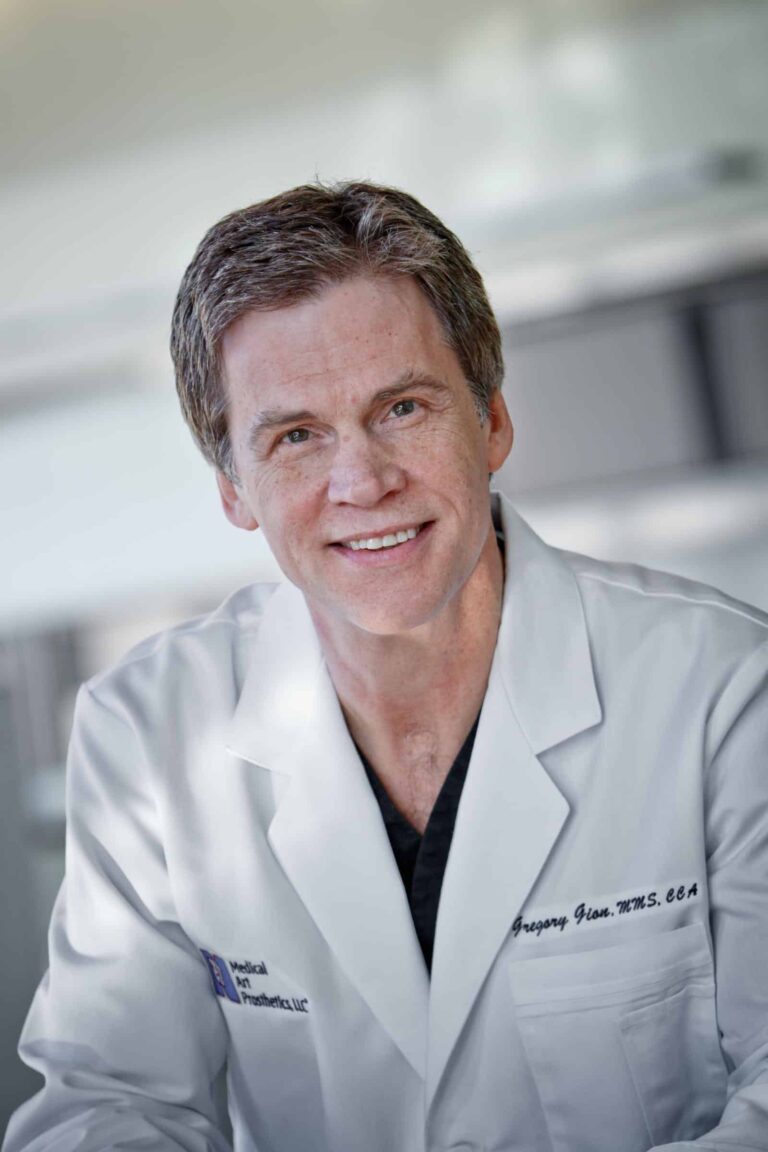
The original MAP practice was founded in 1985 in Dallas, Texas, as the sole proprietorship of medical artist Gregory Gion. At a time when highly detailed silicone prosthetics were still evolving, surgeons performing ablative procedures quickly recognized the value of meticulous, artist-driven restorations for their patients. A strong referral base followed, built on trust, outcomes, and consistent results.
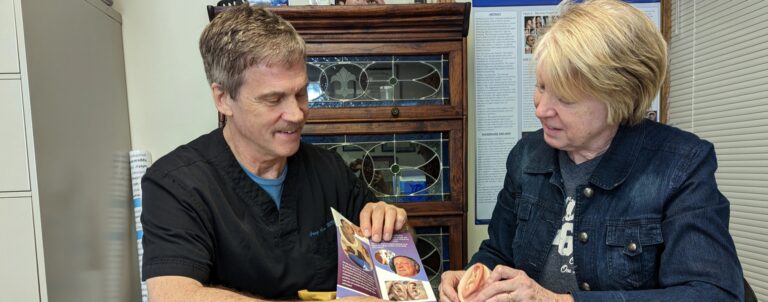
What emerged was a practice model that was somewhat disruptive for its time. Rather than functioning solely within a hospital system or dental-focused clinic, MAP emphasized independent anaplastology delivered in a personalized setting. The approach proved to be both sustainable and responsive to patient needs across North Texas and much of the Sunbelt. Durable prosthetic hands and feet became a complementary service, meeting growing demand for anatomically precise silicone restorations.
In 2005, a second MAP practice was established in Madison, Wisconsin, the founder’s hometown. The specialty anaplastology facility thrived alongside established medical and dental services throughout Wisconsin and the Midwest. The success of both locations affirmed that independent, artist-centered prosthetic care could coexist with traditional clinical models while maintaining the highest standards.
Advancing independent anaplastology remains central to our mission. At the same time, MAP has partnered with respected institutions to develop craniofacial prosthetic services for Northwestern Memorial Hospital in Illinois, the University of Texas Southwestern Medical Center in Texas, University of Iowa Hospital and Clinics, and Loyola University Medical Center in Illinois. These collaborations reflect our belief that specialized prosthetic care should be integrated where it best serves patients.
In the 1990s, MAP launched one of the first educational websites in the field. Physicians and prospective patients were able to review case examples and better understand the technical and artistic principles that influence prosthetic outcomes. Transparency and education have always been part of our philosophy.
Today, seven accomplished clinicians form a national anaplastology network operating in seven states. What began as a single practice has evolved into a coordinated effort to provide thoughtful, individualized prosthetic care closer to where patients live.
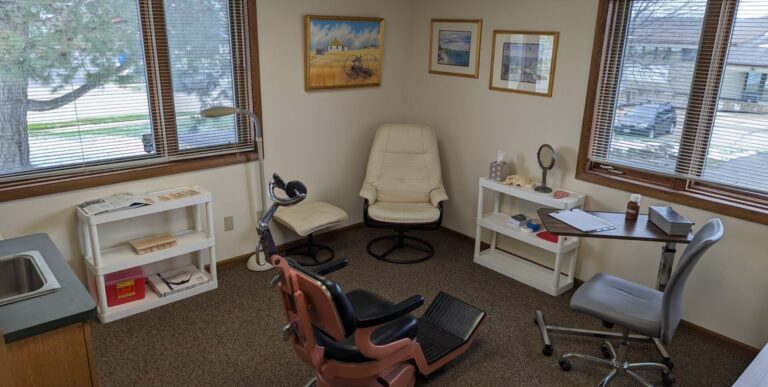
Our mission continues: to deliver successful prosthetic outcomes in relaxed, personalized environments where patients feel respected, understood, and well served.
Related Links