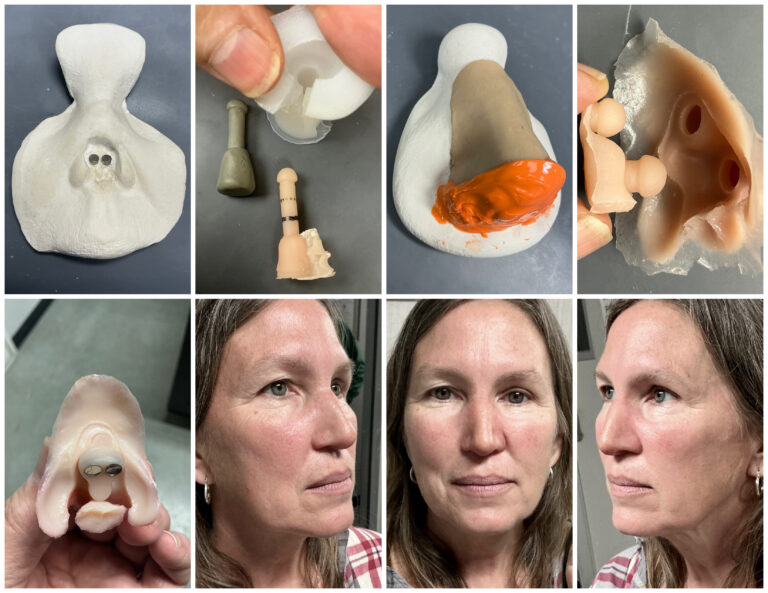









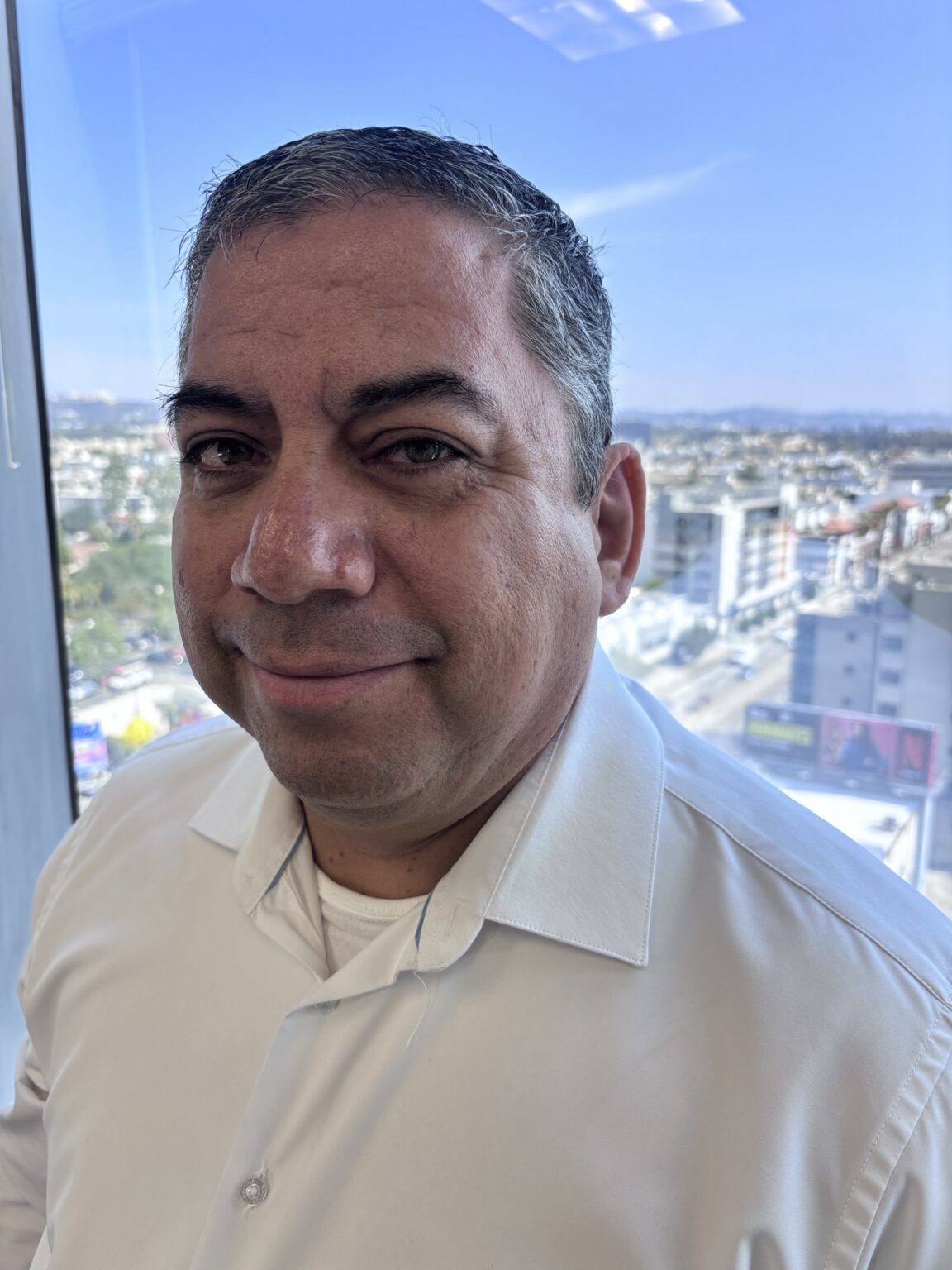
The loss of an ear due to trauma is sudden, life-altering, and deeply personal. Surgical ear reconstruction is very unlikely to provide an aesthetically acceptable outcome. For many patients, the physical absence is only part of the challenge. The emotional impact and loss of confidence can persist for years, especially when early treatment options fall short.
This is the story of Jose, and how a carefully planned auricular prosthesis restored not only his appearance, but his sense of self. It is because it delivers the most accurate ear reconstruction result.
From Traumatic Injury to a Renewed Path Forward
In 2007, Jose was involved in a devastating workplace accident. A rack of sliding glass doors fell onto him, causing him to fall backward onto a metal table. His ear was completely severed, and despite best efforts, it could not be surgically reattached.
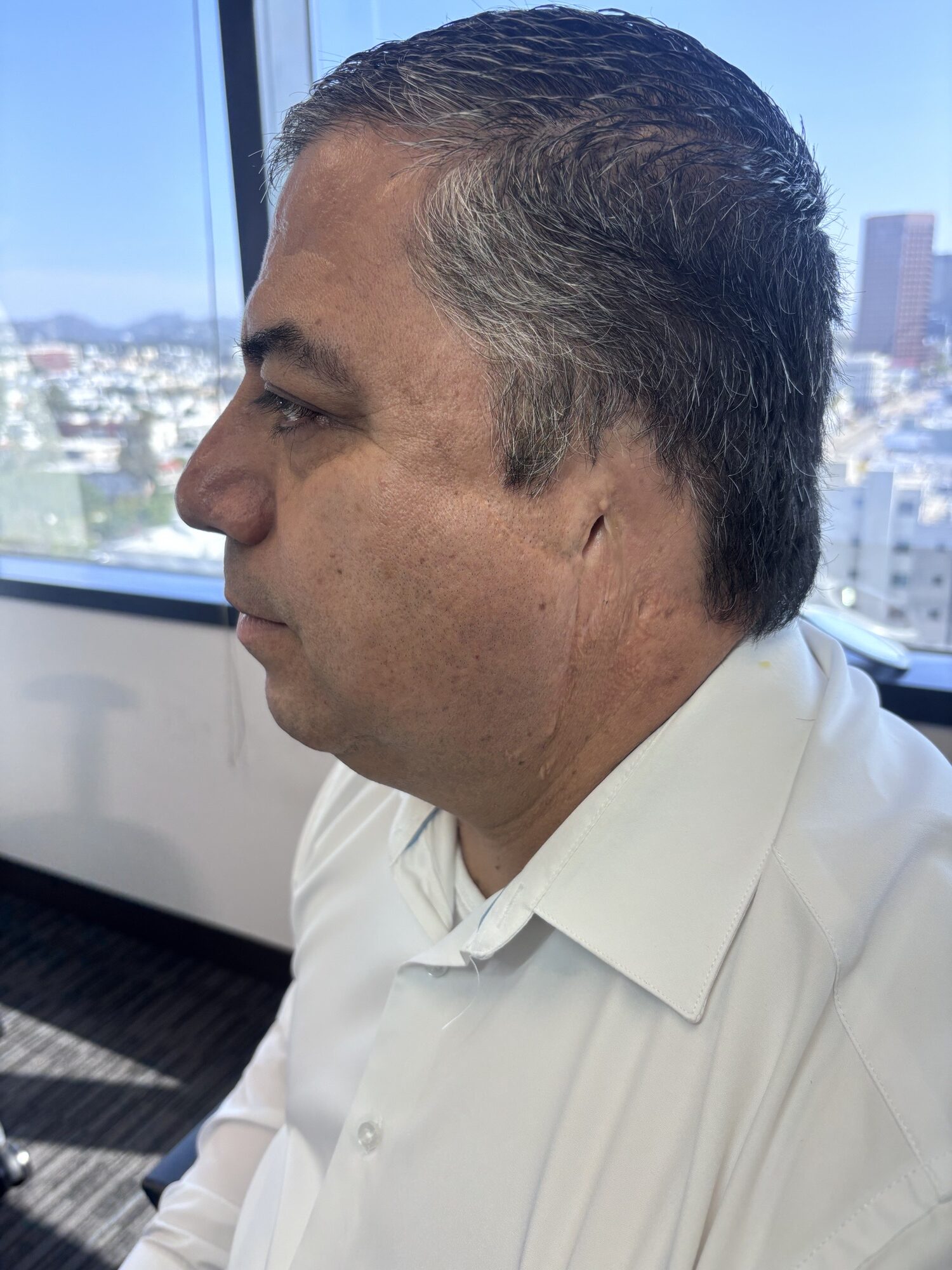
Healed site following amputation
Like many patients, Jose was referred for a prosthetic solution. This is because surgical attempts at ear reconstruction often end in failure of the reconstructed ear to retain the desired shape over time. A device was created for Jose by another clinician or technician, but it lacked proper fit, color accuracy, and the fine anatomical detail required for a natural appearance. The result left him feeling self-conscious, and for years he lived without a satisfying solution.
Situations like this highlight an important distinction. While prosthetic rehabilitation may be introduced early, the design and delivery of a truly lifelike ear prosthesis requires a specialized level of training and artistic precision found within the field of anaplastology. Witness the breadth and depth of experience in prosthetic ear restoration.
Over time, Jose took matters into his own hands. Through independent research, he discovered Medical Art Prosthetics and reached out to explore what might now be possible.
A Focused, Multi-Day Treatment Approach
Jose traveled to one of our Los Angeles-area locations, where treatment could be completed efficiently over the course of several days. This model is especially helpful for patients traveling from outside the region or internationally. We are providing more locations for better access.
Day One:
Clinical Anaplastologist Maddie Singer began by taking precise impressions of both the intact ear and the defect site. These impressions serve as the foundation for symmetry, proportion, and anatomical accuracy.
Day Two:
A wax prototype was sculpted and tried on. At this stage, subtle refinements were made to ensure proper contour, projection, and seamless edge transitions. Intrinsic color sampling was also performed to begin replicating Jose’s natural skin tone.
Day Three:
While Jose enjoyed time exploring Los Angeles, the laboratory work advanced. The final wax form was refined and molded. Using a combination of medical-grade silicones, the prosthesis was fabricated with durability at the margins and lifelike softness throughout the body.
Day Four:
The final stage brought everything together. With more than 25 years of experience, Maddie completed the extrinsic coloration by layering delicate tones to replicate capillaries, freckles, and subtle variations in skin translucency.
The result was not simply a prosthesis, but a restoration designed to integrate naturally with Jose’s appearance.
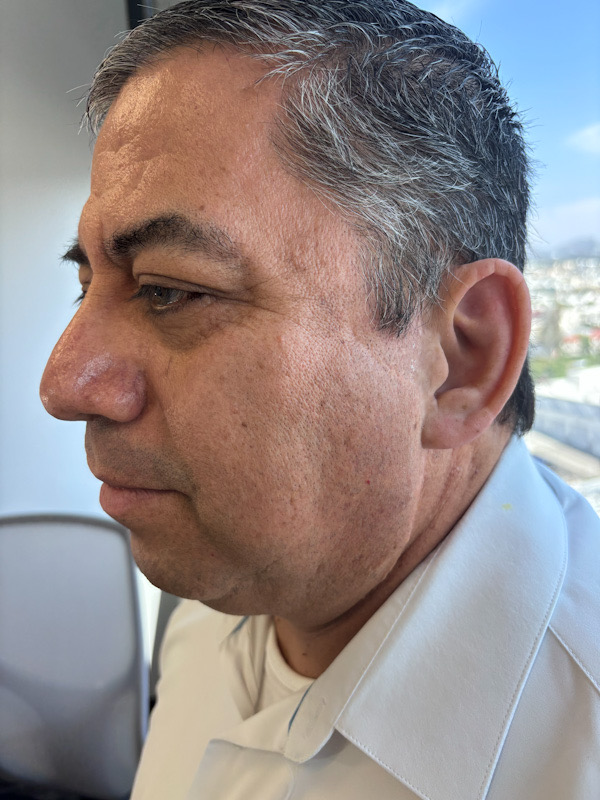
Completed ear prosthesis securely adhered
Education, Confidence, and Daily Use
Equally important to the prosthesis itself is the patient’s comfort in using it. Jose was provided with a complete care kit, including adhesive, remover, and skin preparation materials designed to improve retention, even in warm or active conditions.
He was guided step-by-step through application and removal, and encouraged to record the process on his phone for future reference. This simple step often provides reassurance long after the patient returns home.
When Jose looked in the mirror, the transformation was immediate. What had been a source of insecurity for years was replaced with a sense of normalcy and confidence.
Why Specialized Ear Prosthetics Matter
Auricular prosthetics exist at the intersection of medicine, art, and material science. While surgical ear reconstruction is appropriate in many cases, a prosthetic ear can often provide a highly aesthetic, non-surgical alternative or complement.
For patients researching their options, it can be helpful to review information from organizations such as the American Society of Plastic Surgeons or the American Academy of Facial Plastic and Reconstructive Surgery, both of which provide broader context on ear reconstruction pathways.
However, the creation of a truly lifelike prosthesis—one that disappears in everyday social interaction remains a highly specialized discipline.
Advancing Awareness of Anaplastology
Jose’s story also reflects a broader reality. Despite its impact, anaplastology is still not widely understood within the medical community or among patients searching for solutions.
Too often, individuals are sent home after surgery without a clear path toward restoration. Even experienced surgeons may not always know where to refer for highly specialized prosthetic care.
This is why sharing stories like Jose’s matters.
At Medical Art Prosthetics, we remain committed not only to delivering exceptional outcomes, but also to expanding awareness—through education, collaboration, and the thoughtful growth of this discipline. (A natural internal link here could point to your About page or a referral information page.)
A Restored Sense of Self
Every prosthesis we create represents more than technical work. It reflects a partnership with the patient, a commitment to detail, and a belief that prosthetic ear reconstruction should feel both natural and lasting.
For Jose, the journey began with a traumatic loss. It concluded with a result that allowed him to move forward with confidence.
That is the purpose behind everything we do.
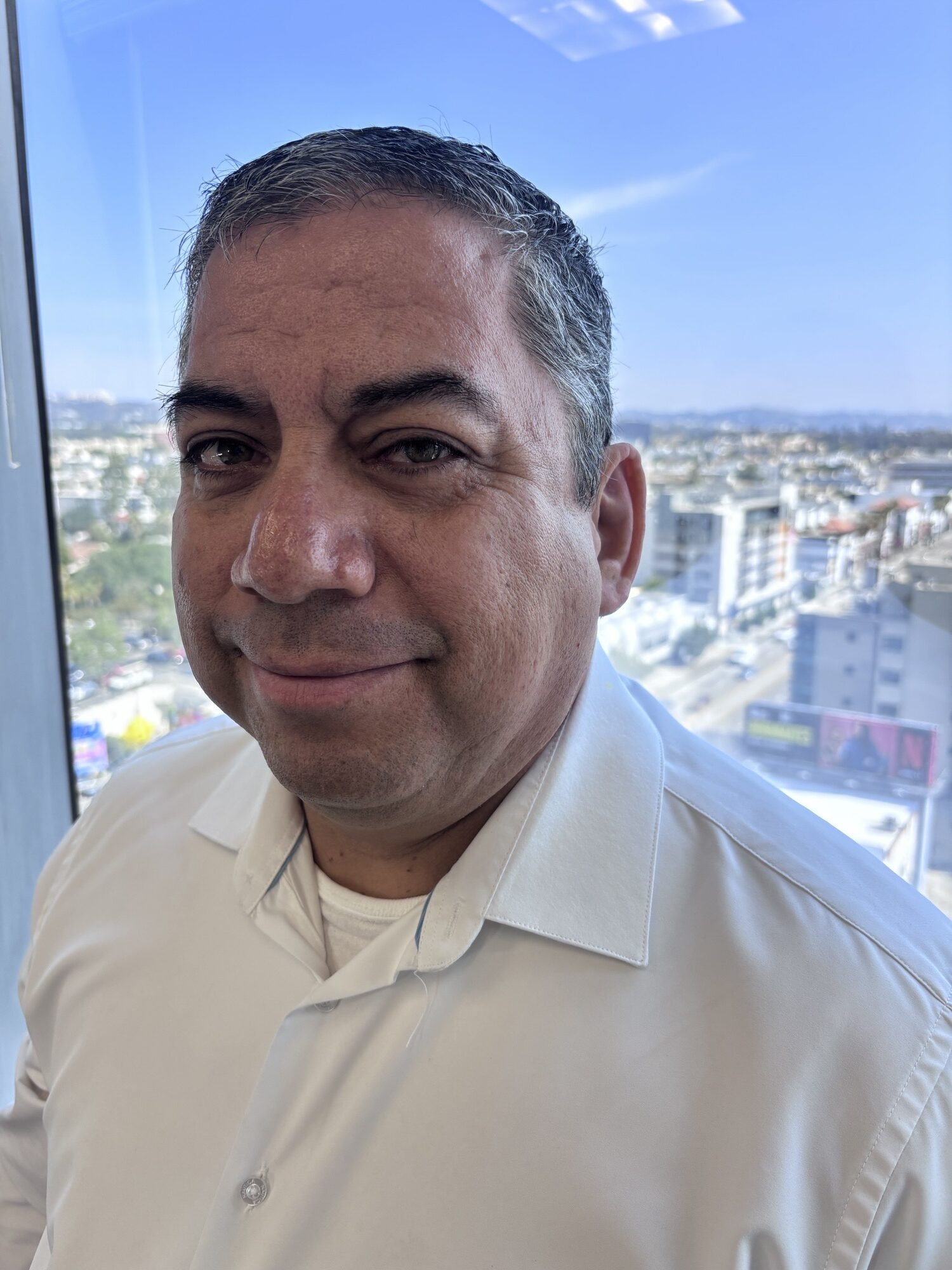
Beautiful outcome on a beautiful day
Related News Articles
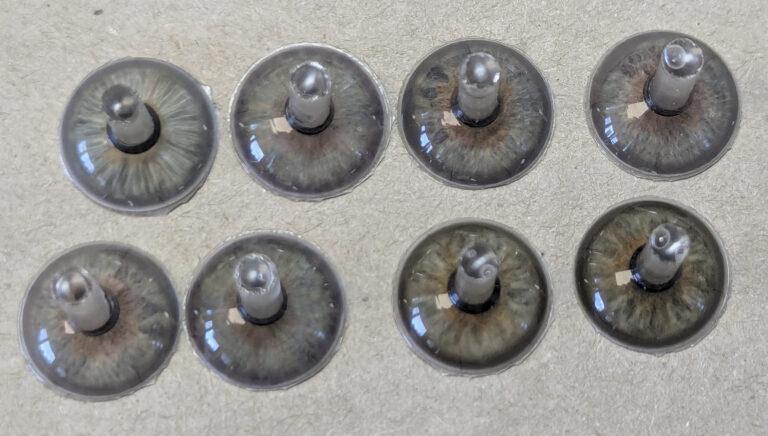
Prosthetic Eyes to Myoelectric Hands
Anaplastologists Unite at International Meeting