







39th Anaplastologist Meeting in Baltimore
This Time, Not Just Another Anaplastology Meeting

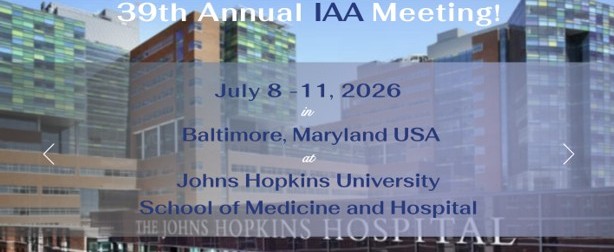
2026 Anaplastology Meeting Announcement
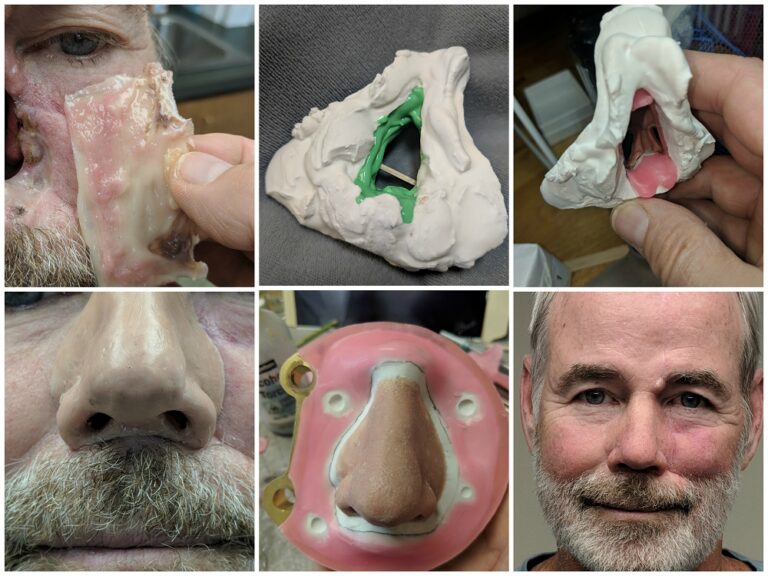
The venue for this particular meeting was at Johns Hopkins University Medical Center, in Baltimore. Maryland. It was very fitting that an IAA meeting be held at Hopkins since it was just a few years ago that the prestigious medical institution launched the country’s first training program for anaplastologists culminating in a Masters Degree in Clinical Anaplastology. The primary faculty members involved in training the anaplastology students at Hopkins are Juan Garcia and Andrew Etheridge. They of course were incredible hosts and tour guides of the facility and did a fantastic job.
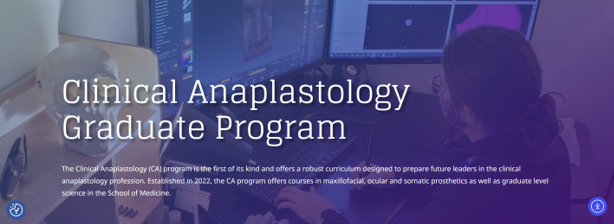
Johns Hopkins Masters Degree in Clinical Anaplastology
History
First Hints of Anaplastology as a Movement
I still remember a lot of the details when I traveled from Dallas to see what the anaplastology movement was all about. I first caught wind of something brewing when I got a call at my job in San Antonio. The receptionist, Olga, said, “Greg, you want to take a call from Stanford? They say it is some sort of survey of people who are working doing facial prosthetics”. Olga was great. So helpful to me in my position there 1984-1985. So, I took the call not knowing what it was about. I do not recall all the specific questions they asked, but one that stood out was, “Would you be interested in the formation of an association of those individuals doing facial and somatic prosthetics”…or words to that effect. Without hesitation, I answered affirmatively. Months must have passed, but eventually I received follow-up correspondence asking for more details of my current job, types of prostheses I fabricated and fit, and my interest in attending a national meeting at some point.
The 1st American Anaplastology Association Meeting
1986, San Francisco, Walter Spohn, Susan Habakuk, and Greg Gion
People from all over the US were there and I recall discussions and comments like it was yesterday. Even at that first meeting there was casual talk of certification of anaplastologists. I believe we were enjoying an after-meeting soiree hosted in Kevin Schou’s large suite. Kevin Schou was either president or possibly next in line following other familiar early players like ocularist Robert “Bob” Cote and optometrist Robert Levy, OD. It seems the field of the originals and early players was heavy in ocularistry, but that could have been my bias as the odd facial prosthetist in private practice. The gist of Kevin’s opinion was that achieving certification might inadvertently “paint a bull’s eye” on the backs of the anaplastologist inviting scrutiny from regulatory bodies or other adjacent professions. What Kevin’s opinion might be today might be interesting to learn and discuss further. In any event, the origination and evolution of our profession and certification has been a compelling topic for many years.
AAA Meetings of the 80s, 90, 00s…,
Anaplastology; an “Information Exchange” – Shared Freely Among Individuals with Diverse…
I still remember the theme and language of inclusiveness without even looking at the brochure! It could be that I was in charge of getting working with the medical artist at UTSW in Dallas to get the first batch of brochures printed. But the early message welcomed all regardless of level of involvement, proficiency, or formal experience in prosthetic patient care.
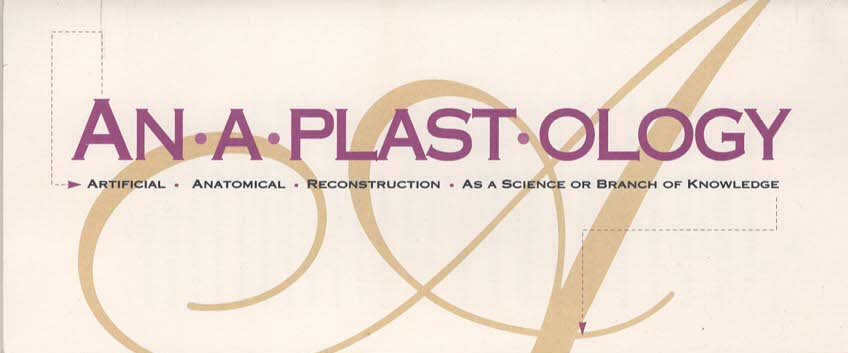
Early AAA brochure from late 1980s
40 Years Later – Certificants Recognized
Hats Off to The First Special CCA Day
Andrew Etheridge, President, Board for Certification in Clinical Anaplastology and/or other person or persons conceived the idea of adding an extra day at the tail end of the IAA conference to be open exclusively to certified clinical anaplastologists (CCAs). The added requirement to attend was agreement to present at the day long-meeting on a topic of choice.
Ultimately, there were 18 CCAs who attended and presented. Most talks focused on techniques or materials. It was a personally fulfilling day to share something in a relaxed informal way with the very few people in the USA who have completed certification. It is not to say that the many anaplastologists who work in clinics or private practice without this credential are not equally capable. However, the effort to recognize the CCA accomplishment was a very forward thinking and much appreciated gesture.
Related News Articles
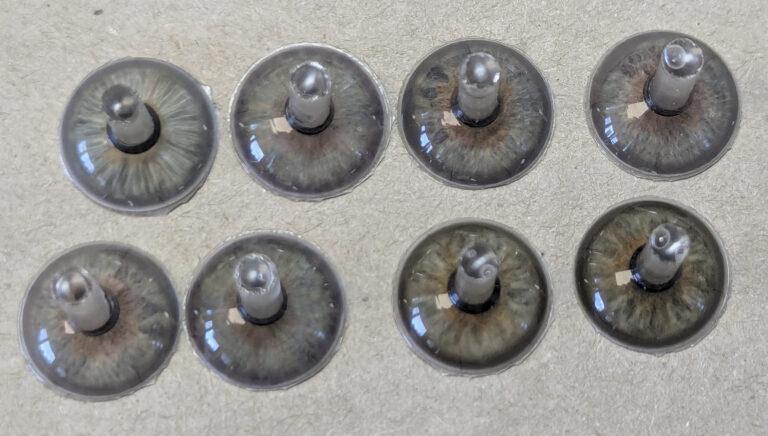
Prosthetic Eyes to Myoelectric Hands
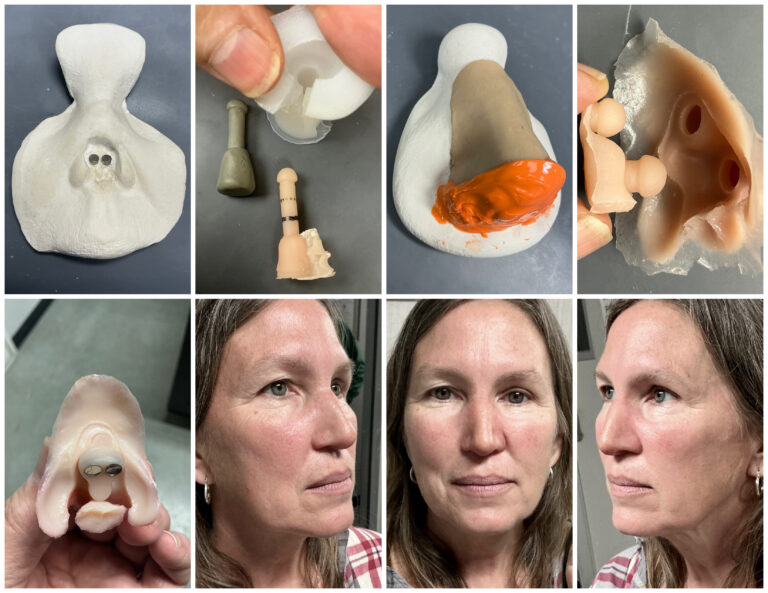
Magnet Retained Nasal Prosthesis Created in San Francisco