








Why Preserving the Tragus Matters in Auriculectomy
Tragus preservation in auriculectomy is one of the most overlooked factors influencing the long-term success of an auricular prosthesis. Although the tragus may appear to be a small cartilaginous structure, its presence can make a significant difference in margin concealment, prosthetic durability, and natural facial appearance.
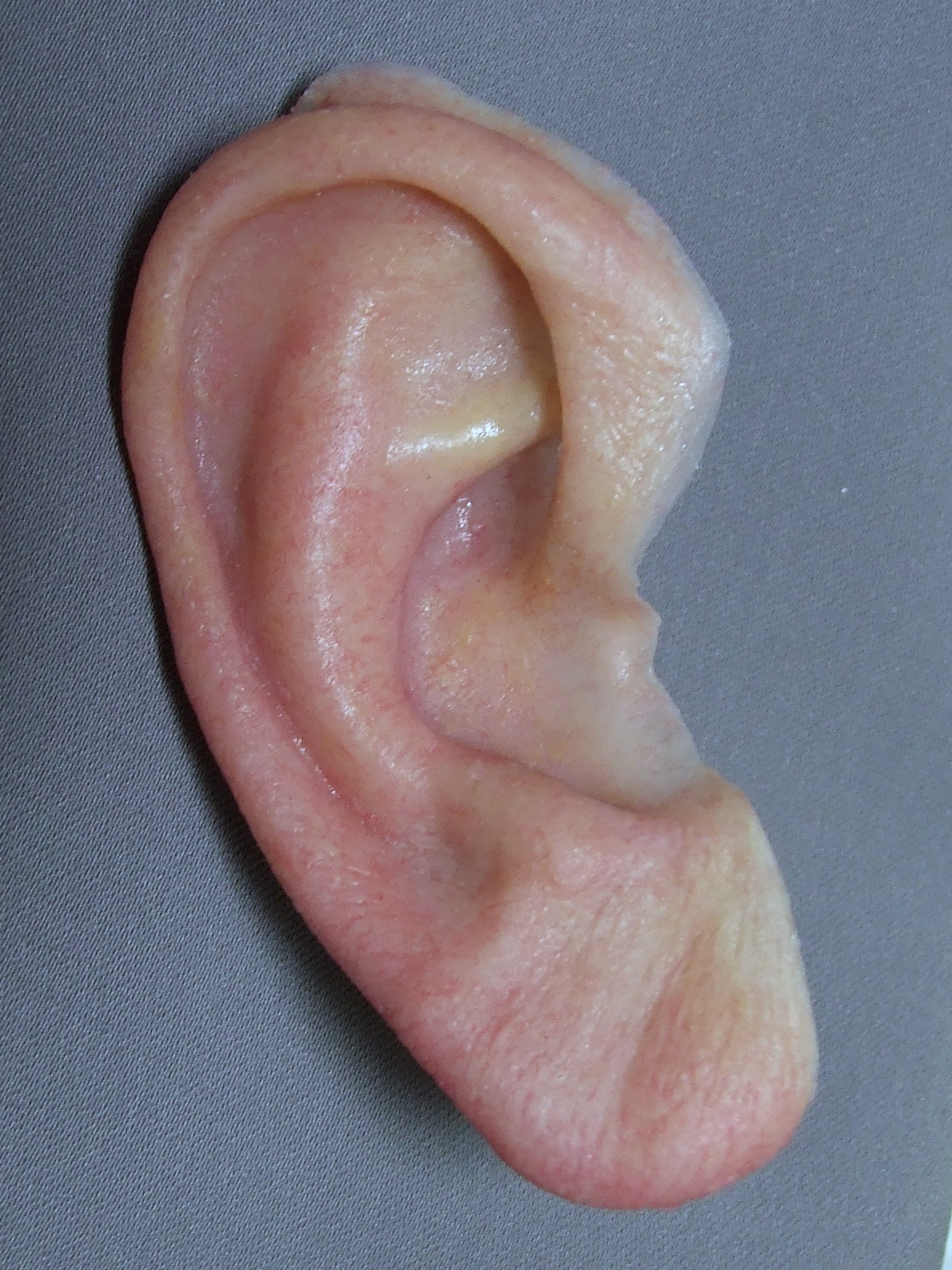
Prosthetic ear with edges hidden behind tragus and recesses of the external auditory meatus
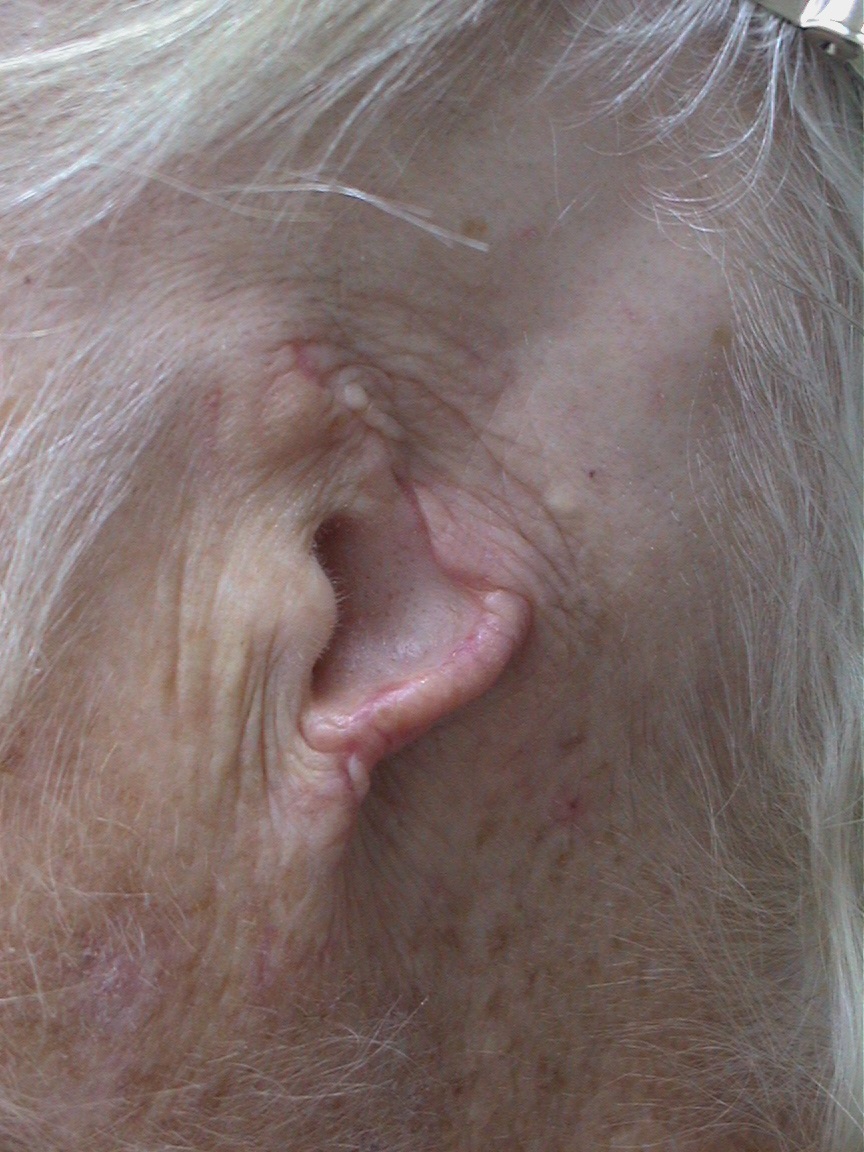
During my early training in medical art at the University of Illinois Medical Center in Chicago, I learned a principle that has proven consistently true in clinical practice. The tragus creates a natural interruption in the anterior margin of an ear prosthesis. That seemingly minor anatomical feature becomes extremely valuable when designing a prosthesis that must blend seamlessly with surrounding facial structures.
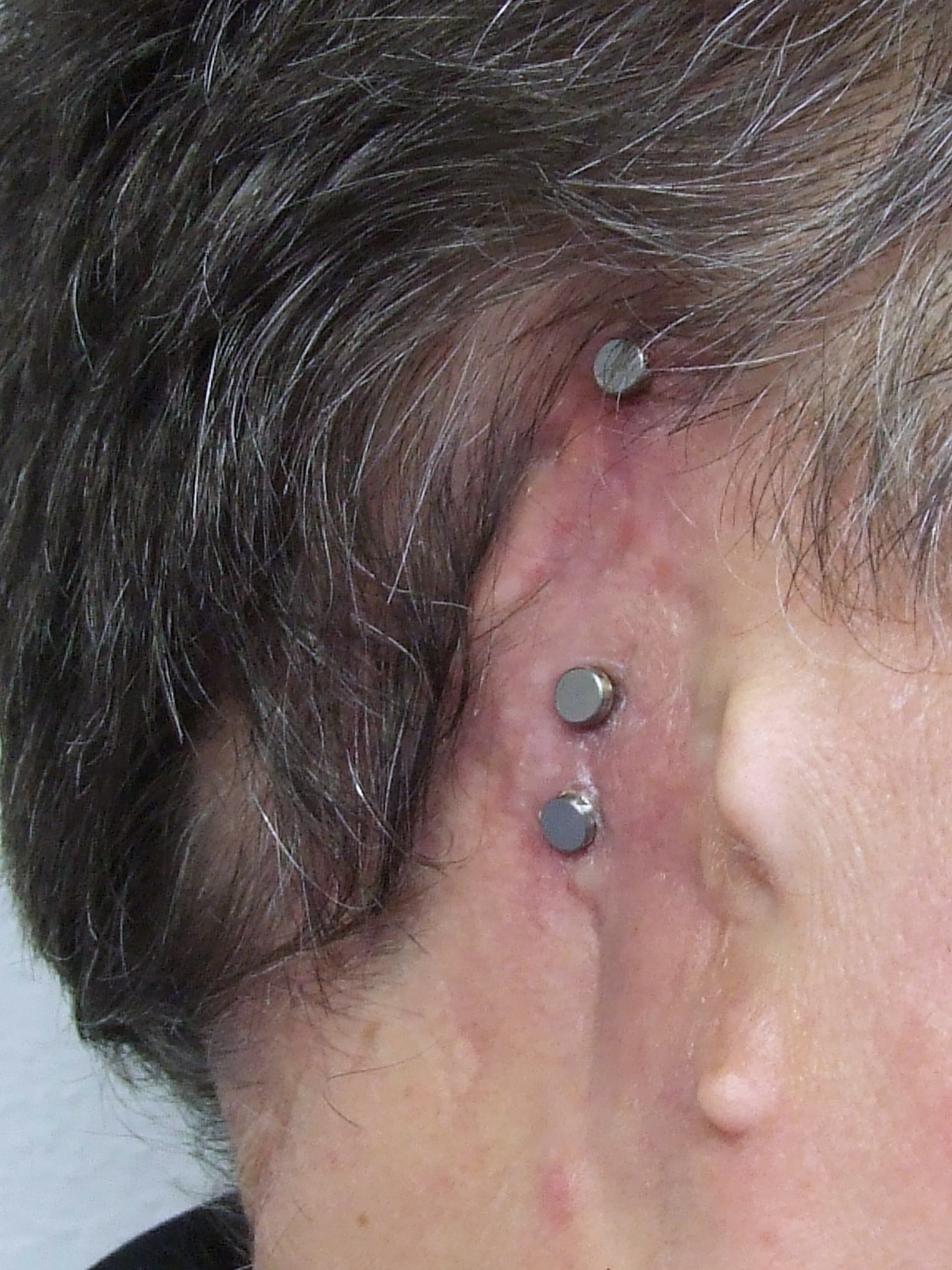
Tragus and lobule remnant preserved in preparation for magnet-retained ear prosthesis
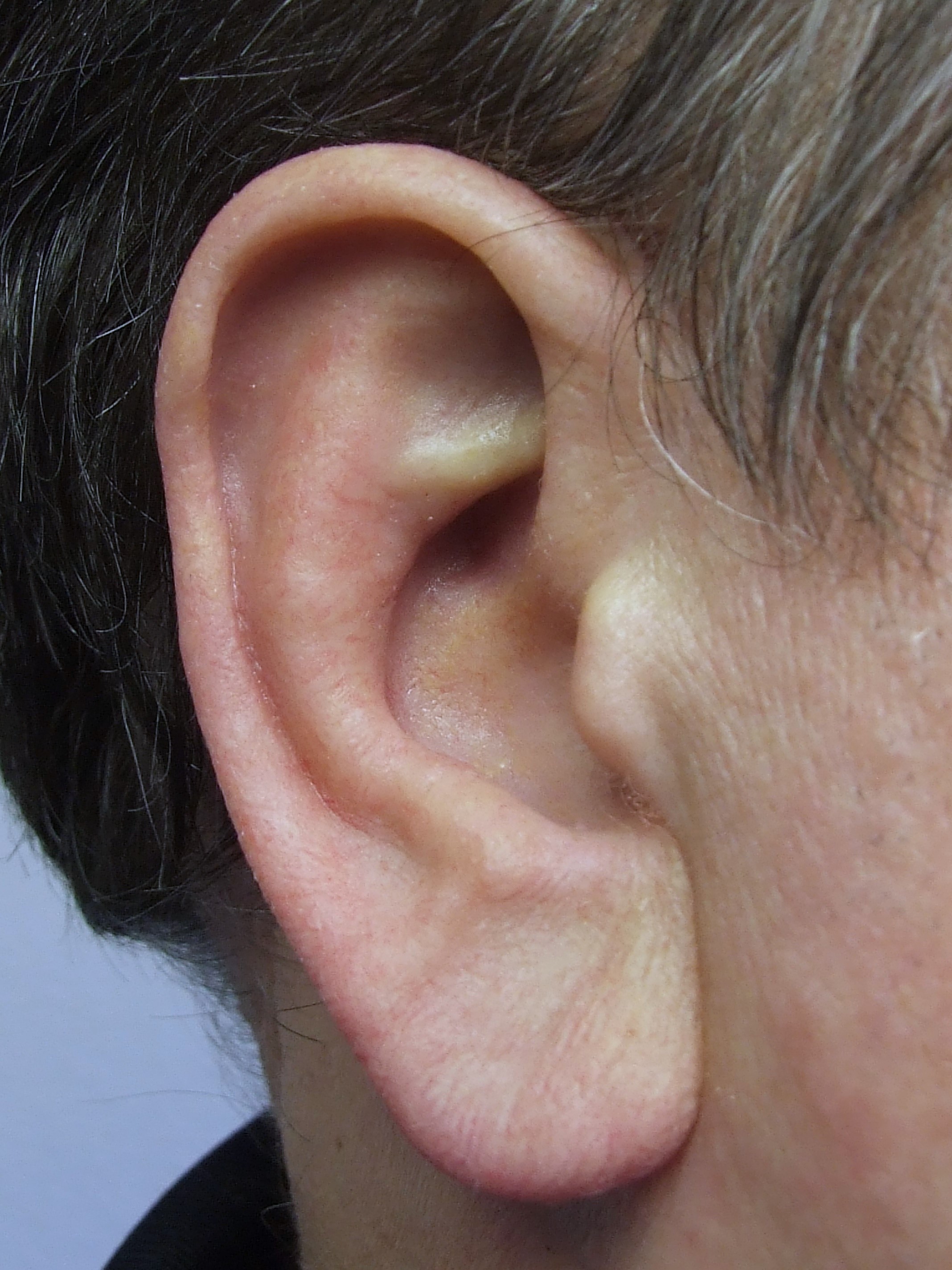
Magnet-retained prosthetic ear with edge hidden behind the intact tragus and recesses of the concha
When the tragus is absent, the prosthesis must carry a long, continuous feather edge extending from the root of the helix across the cheek to the lobule. At delivery that edge can be sculpted to near invisibility, but over time the realities of daily wear begin to reveal its vulnerability.
Short Video Explaining Why the Tragus Matters
Adhesive-Retained Ear Prostheses and Margin Stress
In adhesive-retained auricular prostheses, the anterior margin experiences repeated stress each day. Skin oils, perspiration, facial movement, and the mechanical removal of adhesive all gradually affect the silicone material.
Even when patients care for their prosthesis meticulously, the feather edge can slowly thin, fray, or develop subtle changes in opacity. What begins as a translucent blend between prosthesis and skin may eventually become detectable.
When the tragus is preserved, the prosthetic margin becomes shorter and better protected. This reduces mechanical stress on the silicone and helps keep the edge visually concealed for a longer period of time.
Implant-Retained Ear Prostheses Still Benefit from Tragus Preservation
Implant-retained ear prostheses eliminate many of the issues associated with adhesive wear because the prosthesis attaches to osseointegrated implants rather than relying on skin adhesives.
Even so, prosthetic edges must still blend naturally with surrounding tissue. Slight lifting of the margin or subtle differences in light refraction can sometimes reveal the transition between prosthesis and skin.
A preserved tragus provides a natural anatomical contour that helps disguise this transition. The structure partially shields the anterior margin and helps maintain a more natural appearance.
Microtia Cases and Tragus Reconstruction
In children born with microtia, the tragus may be absent or abnormally positioned. In some surgical approaches, surgeons reconstruct the tragus specifically to improve the eventual prosthetic result.
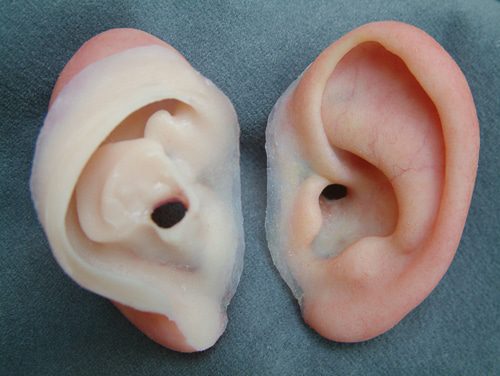
Ear prostheses with thin margins
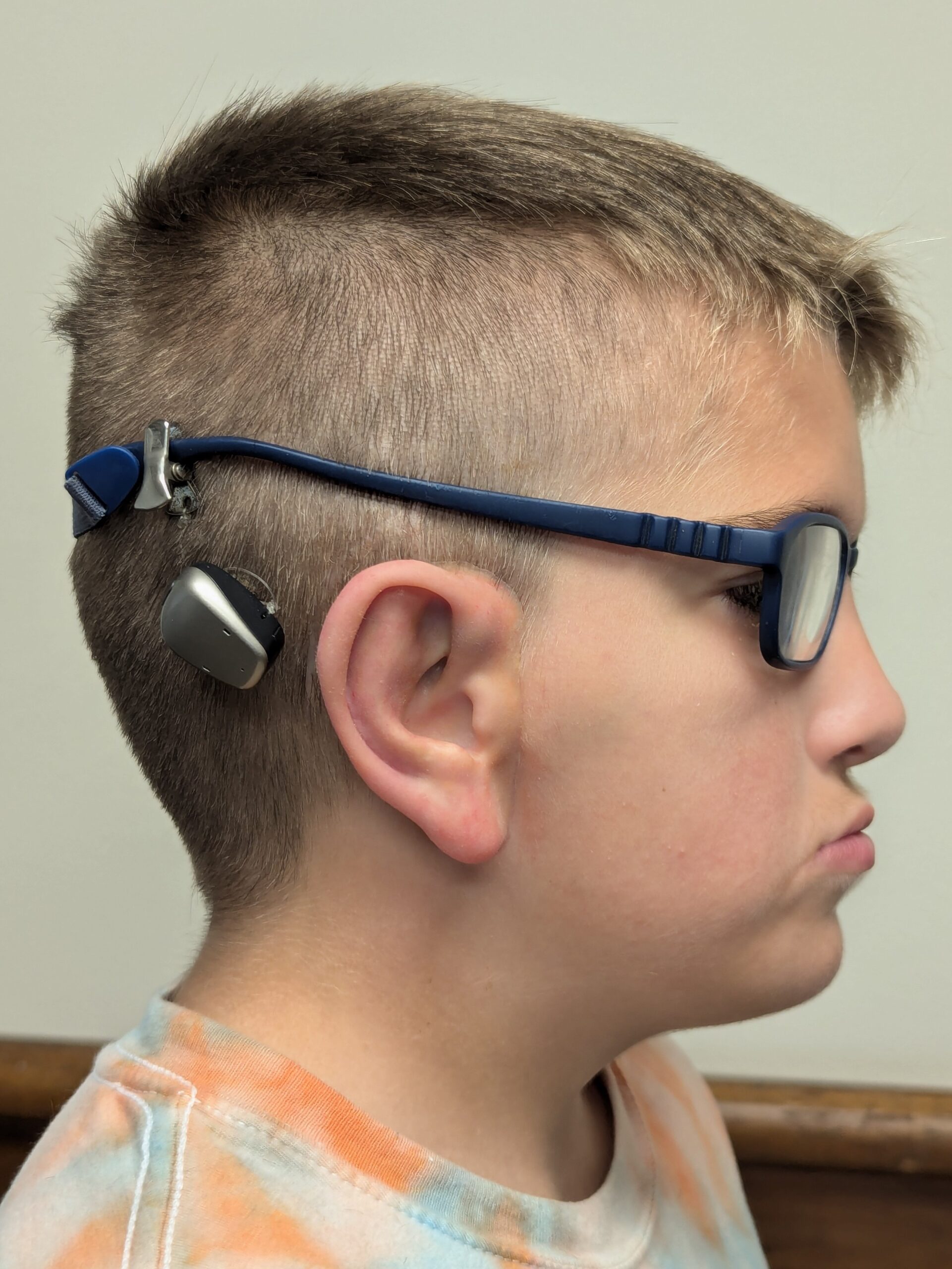
Leading margin fitting snuggly but detectable under certain conditions
This highlights an important concept in facial prosthetic rehabilitation. Surgical planning and prosthetic design often work best when they are coordinated from the beginning of treatment.
When surgeons and anaplastologists collaborate early in the planning process, anatomical decisions made during surgery can significantly improve the long-term success of the prosthesis.
Why Small Surgical Details Matter
Preserving the tragus is not simply an aesthetic preference. It improves margin control, prosthetic durability, optical blending, and ultimately patient confidence.
Small anatomical decisions made in the operating room can influence the long-term success of facial prosthetic rehabilitation. Thoughtful surgical planning combined with close collaboration between surgeon and anaplastologist often leads to the most natural and durable results for patients requiring an auricular prosthesis. Scan through our ear prosthetics gallery here to see more examples of all the designs of ear prosthetics. Find surgeons who collaborate with clinical anaplastologists here.
Related News Articles
Prosthetic Eyes to Myoelectric Hands
Magnet Retained Nasal Prosthesis Created in San Francisco