







Nasal Prosthesis After Rhinectomy: A Complete Guide to Facial Restoration and Recovery
Life After Rhinectomy: What Patients and Providers Need to Know
There is a reality within modern medicine, particularly in the treatment of head and neck cancer, that often remains largely invisible until a patient experiences it firsthand. Resources such as the National Cancer Institute provide important clinical information on head and neck cancers. For individuals who have undergone rhinectomy, the removal of part or all of the nose, this reality becomes clear at a very specific moment. That moment is when hospital-based treatment ends. A nasal prosthesis after rhinectomy should ideally be introduced early in treatment planning, although this does not always occur.
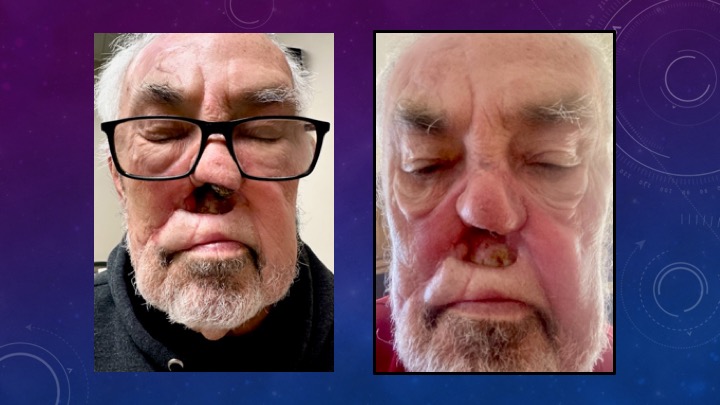
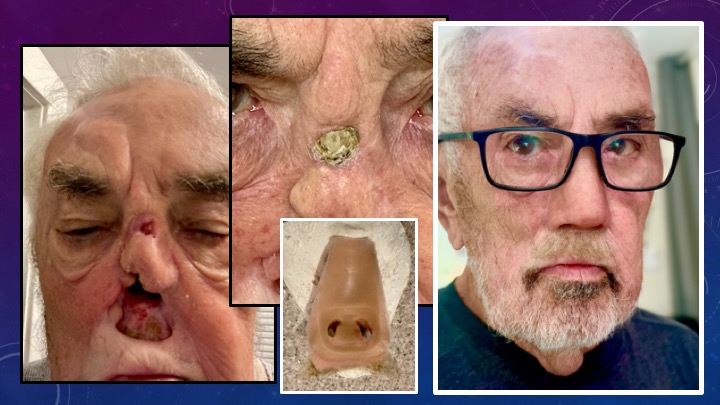
Subtotal rhinectomy (clinical example)
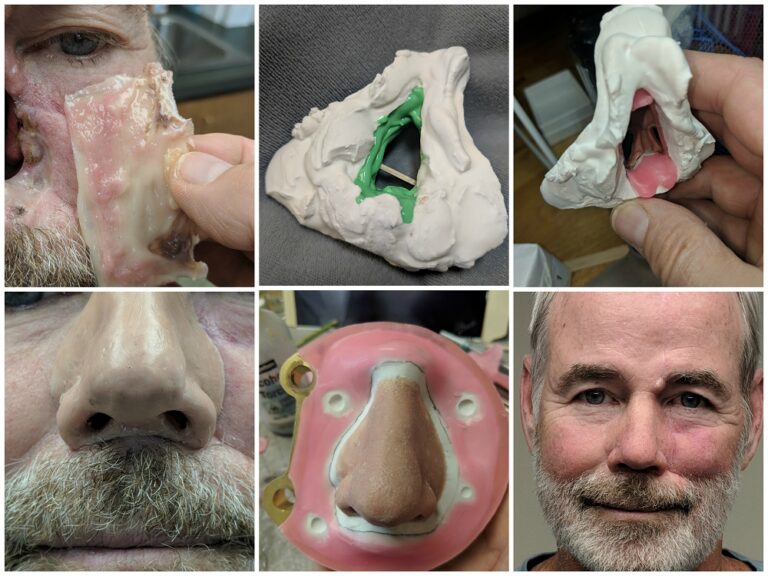
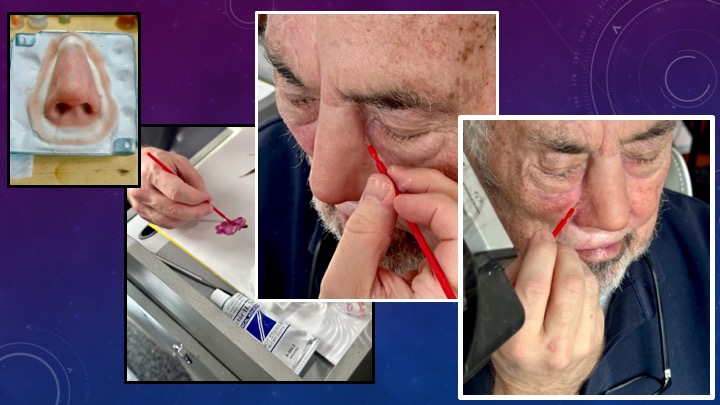
In the sections that follow, a series of clinical photographs will be interwoven between paragraphs to illustrate the step-by-step anaplastology process. The images document a nasal prosthesis after rhinectomy, performed by certified clinical anaplastologist Todd Kubon, MAMS, CCA. Mr. Kubon, based in Brookfield, Illinois, provides anaplastology services as part of Medical Art Prosthetics, LLC. The article concludes with the patient’s own account of his experience, offering a personal perspective on restoration and quality of life.
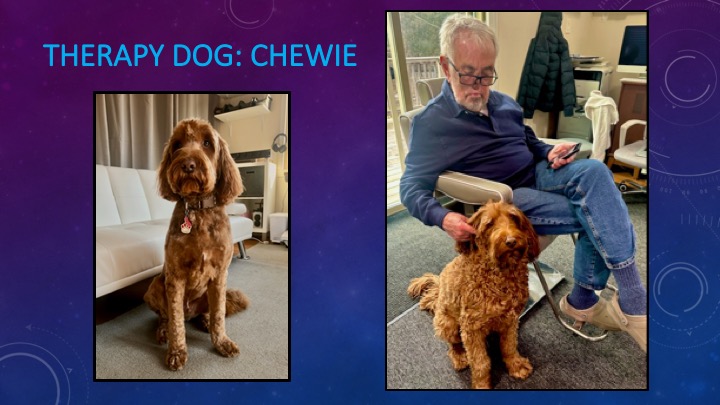
Wonderfully relaxed treatment environment
After months of imaging, consultations, surgery, and recovery, patients are often told they are medically cleared. While this represents a major milestone, it can also introduce uncertainty. The structure of hospital care is gone, and patients are left asking what options exist for restoring their appearance and returning to daily life.
Nasal Prosthesis After Rhinectomy: Treatment Options
For many patients, the discussion of a nasal prosthesis after rhinectomy does not happen in a detailed or timely way.
Maxillofacial prosthetics, including custom nasal prostheses, are a highly specialized area of care. This field, known as anaplastology, focuses on restoring facial features with lifelike prosthetic solutions. While surgeons and oncologists are deeply committed to patient outcomes, their training often emphasizes disease treatment rather than prosthetic rehabilitation.
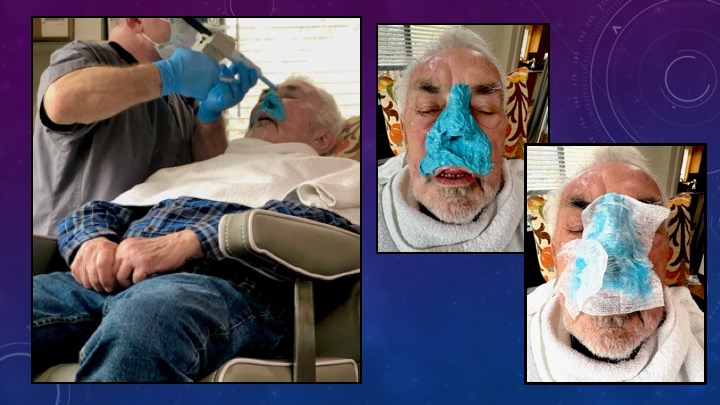
Precise nasal impression
As a result, patients may leave the medical system without a clear understanding of available nasal prosthesis options. These options include adhesive-retained prostheses and implant-retained prosthetic noses, depending on the patient’s anatomy and treatment history.
For both patients and referring providers, understanding that a nasal prosthesis after rhinectomy is available is a critical step in the recovery process.
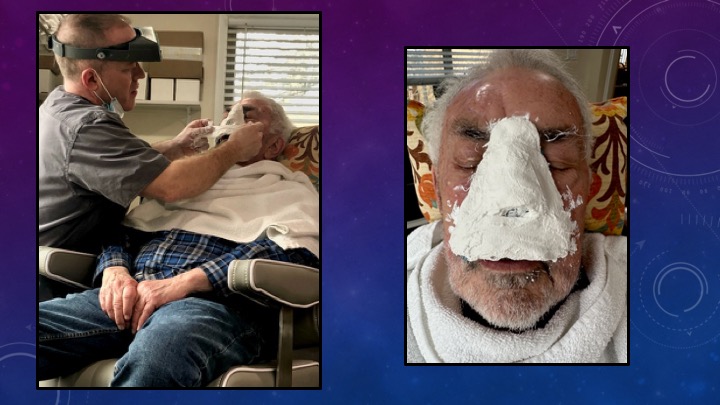
Impression is easily removed
Why Nasal Prosthetics Are Essential for Quality of Life
A custom nasal prosthesis after rhinectomy is not simply an aesthetic enhancement. It plays a meaningful role in restoring a patient’s sense of identity, confidence, and social comfort.
Following rhinectomy, patients often experience a profound change in how they interact with the world. A well-designed prosthetic nose can help bridge that gap. It allows individuals to return to professional settings, social environments, and personal relationships with greater ease.
From a clinical perspective, nasal prosthetics should be considered an essential component of comprehensive care, rather than an optional service.
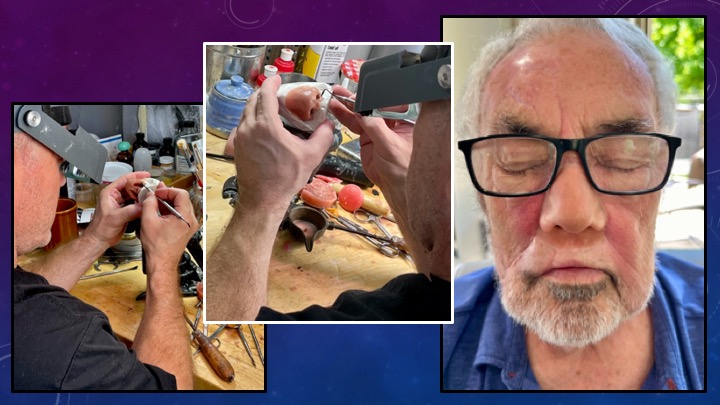
The anaplastologist as Michelangelo
Gaps in Post-Surgical Care and Prosthetic Referral Pathways
It is important to acknowledge that many excellent surgeons and medical teams may not routinely refer patients for a nasal prosthesis after rhinectomy. This is not due to a lack of care or concern. More often, it reflects limited exposure to anaplastology during medical or dental training.
However, this gap can leave patients feeling isolated after discharge. Many are unaware that advanced prosthetic solutions exist. Additional support and education can be found through organizations such as the Head and Neck Cancer Alliance.
Increasing awareness among both patients and healthcare providers is essential. Early referral to a qualified anaplastologist can significantly improve long-term outcomes and patient satisfaction.
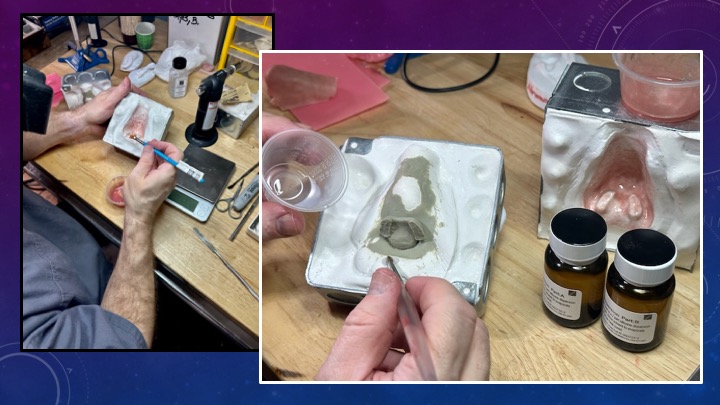
Meticulous care in mold making
The Anaplastology Approach to Nasal Prosthesis Rehabilitation
The process of creating a nasal prosthesis after rhinectomy is both technically demanding and highly personalized.
Unlike the hospital environment, which is often fast-paced and procedure-driven, anaplastology emphasizes a more individualized experience. Patients are guided through each step of the process, from consultation to final delivery, in a setting designed to be calm and supportive.
Every prosthesis is custom sculpted and color-matched to achieve a natural, lifelike appearance. The goal is not only anatomical accuracy but also a result that feels authentic to the patient.
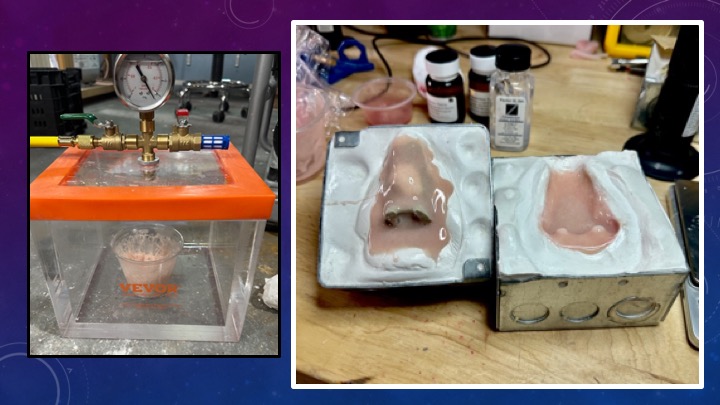
Application of silicone into molds
Clinical Expertise in Custom Nasal Prosthetics
This case highlights both the precision required in prosthetic design and the importance of a patient-centered approach.

Anaplastologist as DaVinci
For referring physicians and surgeons, these examples provide insight into what is possible through collaboration with experienced anaplastologists. For patients, they offer reassurance that meaningful restoration is achievable. Medical Art Prosthetics anaplastologists also contribute to professional education within otolaryngology and head and neck surgery communities.
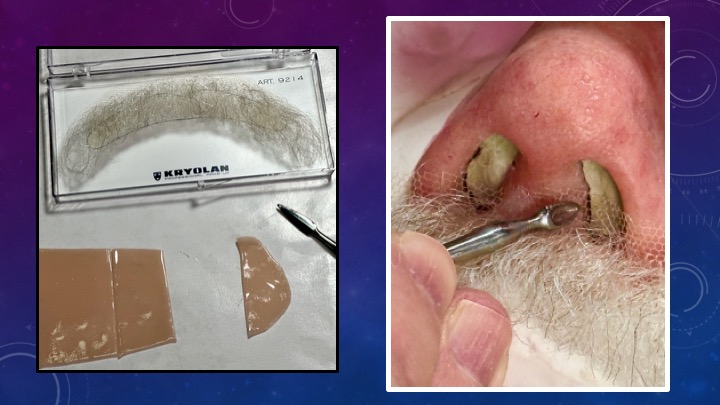
Delicate addition of moustache effects
Restoring Confidence with a Prosthetic Nose
For anyone searching for answers after rhinectomy, whether patient, family member, or healthcare provider, it is important to understand that surgical treatment is not the final step.
A nasal prosthesis after rhinectomy offers a clear and effective path forward.
As you continue through the images and conclude with the patient’s personal account below, you will see how a custom nasal prosthesis can restore appearance, confidence, identity, and overall quality of life.
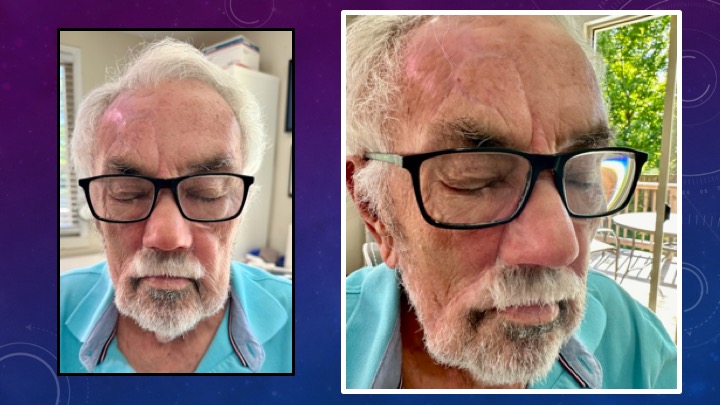
Nasal prosthesis after rhinectomy
Patient Experience
“Todd Kubon was recommended to me by my ENT surgeon following a rhinectomy necessitated by squamous cell skin cancer and pronounced facial damage below the former space of my nose resulting from radiation therapy. Todd met me on the same day as the referral, and during that initial meeting, educated me about prosthetics, the process, his approach, and timing.
I followed through with Todd and could not be happier. I needed a second prosthesis several months after the first one due to changes in the contours of the remains of my native nose. Todd is creative, artistic, professional, persistent, and very personable. Most importantly, he listens and seems to anticipate what my next question will be.
I highly recommend Todd and Medical Art Prosthetics.”
— Robert Z.
The anaplastologist’s role in long-term care
Patients searching for a nasal prosthesis after rhinectomy often find that early consultation significantly improves both aesthetic and functional outcomes.
Related News Articles
Anaplastologists Unite at International Meeting
Magnet Retained Nasal Prosthesis Created in San Francisco